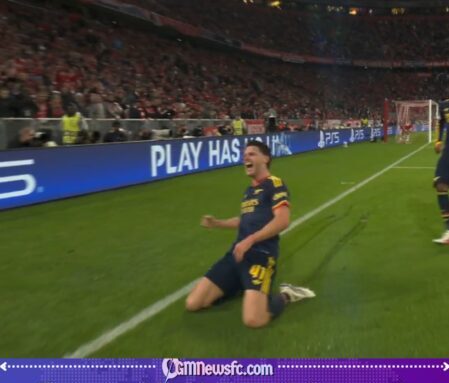











For four consecutive seasons, Arsenal have lived in the uncomfortable space between promise and fulfillment. Close enough to dream, not strong enough to finish. The Premier League title has repeatedly slipped through their fingers, reinforcing a growing narrative that when the pressure tightens, the Gunners falter. Yet football, like history, allows moments of rupture—and Arsenal’s emphatic 4–1 dismantling of Aston Villa may prove to be one.
This was not just a win. It was a performance heavy with symbolism: ruthless, controlled, and unapologetically dominant against a direct rival. As Arsenal close the year at the summit of the Premier League table, the central question returns with greater urgency than ever — is this finally the season Arsenal shed their “nearly men” tag, or are fans bracing for another painful collapse?
A Familiar Story of Near Misses
Arsenal’s recent history has been defined by progress without ultimate reward. Under Mikel Arteta, the club rebuilt its identity, returning to consistent Champions League qualification and reestablishing itself among England’s elite. Yet league title races in recent seasons followed a similar pattern: strong starts, visible belief, then a late erosion under pressure.
Critics argue this recurring pattern has hardened into a psychological barrier. Leads surrendered, key injuries, and dropped points in decisive fixtures have reinforced the perception that Arsenal struggle to sustain excellence when trophies are within reach. “Almost” has become a label — and in elite sport, almost counts for nothing.
The Aston Villa Statement
Against that backdrop, the 4–1 victory over Aston Villa carried weight beyond three points. Villa arrived as genuine contenders, boasting form, confidence, and momentum. Arsenal dismantled them with authority — pressing aggressively, dominating midfield battles, and converting chances with clinical precision.
What stood out most was control. Even after conceding, Arsenal never looked rattled. Their response was immediate and decisive, suggesting a maturity often absent in previous title pushes. This was a side imposing its will, not clinging nervously to a lead.
Signs of Tactical and Mental Evolution
Arteta’s Arsenal now appear tactically flexible and mentally steadier. The squad’s balance — between youth and experience — is beginning to show dividends. Leaders across the pitch took responsibility, while squad depth ensured intensity did not drop as substitutions were made.
Equally important is the psychological shift. Rather than managing games cautiously, Arsenal attacked weaknesses relentlessly. Analysts have noted that this team looks less reactive and more proactive — a subtle but critical distinction for title winners.
The Pressure Still to Come
Despite the optimism, history urges caution. A lead in December does not guarantee silverware in May. Rivals remain formidable, fixtures will tighten, and injuries could yet reshape the race. Manchester City’s experience, in particular, looms as a constant benchmark for consistency under pressure.
Moreover, Arsenal have been here before — praised for style, dominance, and belief — only to falter when the margins narrowed. Until they navigate decisive spring fixtures with the same authority shown against Villa, skepticism will persist.
Narrative Shift or Temporary Illusion?
What makes this season different is not just points or performances, but perception. Pundits who once questioned Arsenal’s resilience are beginning to reassess. Supporters sense something more durable — a team capable of learning from past failures rather than repeating them.
Still, narratives are not rewritten in December. They are rewritten in May. Arsenal’s challenge is clear: transform this statement win into a habit, not a highlight. Only sustained ruthlessness will finally silence the “chokers” label.
What This Season Will Ultimately Decide
This campaign may define the Arteta era. A title would validate years of patience and rebuild belief in Arsenal’s elite status. Another collapse would deepen scars and raise uncomfortable questions about ceilings and mentality.
For now, Arsenal stand tall, top of the league, armed with momentum and belief. The difference between history repeating itself and history being rewritten lies ahead — not behind.