






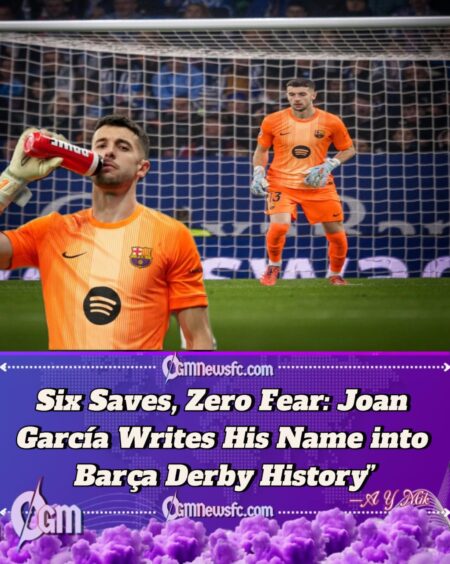
Barcelona left it late, again. The goals arrived in the closing minutes, again. But long before Dani Olmo and Robert Lewandowski applied the finishing touches, one man had already decided the night. In the white-hot chaos of the Catalan derby, Joan García turned the RCDE Stadium into his personal audition stage—and passed with flying gloves.
By the final whistle, Barça had a 2–0 win, Espanyol had regrets, and García had equalled a long-standing Barcelona goalkeeping record, joining club veteran Marc-André ter Stegen in a statistical club reserved for keepers with nerves of steel and reflexes of rubber.
A Derby That Refused to Behave
Catalan derbies are never polite affairs, and this one followed tradition with enthusiasm. Espanyol pressed aggressively from the first whistle, feeding off a raucous home crowd desperate to humble their city rivals. Barcelona, meanwhile, looked patient—almost suspiciously so.
For long stretches, the match had the uneasy feel of a thriller where the hero hasn’t shown up yet. Espanyol created chances, shots flew in from dangerous areas, and Barça’s defence bent alarmingly. What it did not do, however, was break—and that was largely down to the man wearing the gloves.
Joan García’s Night of Controlled Chaos
If Espanyol’s game plan involved testing García early and often, the Barcelona goalkeeper responded like a man who had been waiting for the moment. Shot after shot was met with sharp reflexes, brave positioning, and the kind of calm that irritates opposing forwards to no end.
By halftime, García had already made several key saves, including a point-blank stop that drew gasps even from neutral observers. By full-time, he had completed six saves and a clean sheet, a combination that matches a Barcelona record previously held only by Marc-André ter Stegen in recent La Liga history. In derby terms, that’s not just good—it’s heroic.
Facing the Past, Silencing the Present
What made the performance sharper was the backdrop. This was García’s first competitive outing against his former club, and the reception from the stands was predictably icy. Boos rained down, banners waved, and every touch of the ball came with added hostility.
Instead of shrinking, García thrived. Each save felt like a rebuttal, each calm catch a reminder that footballing careers move forward, not backward. By the second half, even the loudest jeers seemed to lose their edge—because nothing frustrates a home crowd quite like a goalkeeper who refuses to panic.
Late Goals, Perfect Timing
For all García’s excellence, Barcelona still needed goals—and they came fashionably late. Dani Olmo broke the deadlock in the 86th minute, finishing a slick move that finally punctured Espanyol’s resistance. Deep into stoppage time, Robert Lewandowski added a second, applying the kind of ruthless seal champions prefer.
The scoreboard told one story, but the match told another. Without García’s interventions earlier in the game, those late goals would likely have been consolation rather than celebration. It was a reminder that titles are often won quietly, one save at a time, before the goals steal the headlines.
Flick’s Approval and a Growing Reputation
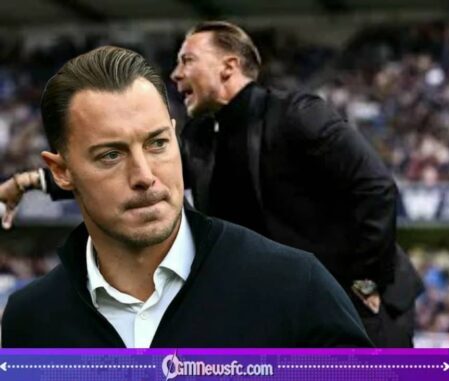
Barcelona coach Hansi Flick did not hesitate in his post-match assessment, praising García’s composure, mental strength, and match-winning presence. Teammates echoed the sentiment, while fans quickly elevated him from “reliable option” to “derby hero.”
For García, the performance felt less like a peak and more like a statement. Equaling a veteran’s record is impressive; doing it in a hostile derby, under relentless pressure, is how goalkeepers write their names into club folklore. If this was an audition for long-term trust at Barcelona, the verdict was unanimous.