



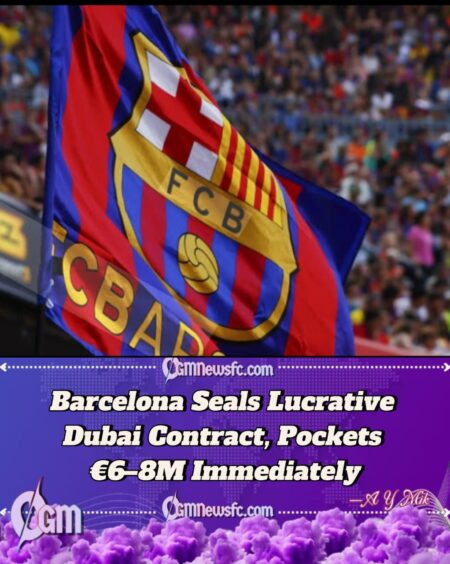
FC Barcelona — the club famous for tiki‑taka, Lionel Messi’s magic, and some truly dramatic financial theatrics — has just signed off on a long‑term commercial deal with a Dubai‑based company that has tongues wagging from Catalonia to the Gulf. In return for licensing its extremely marketable name, crest, and badge, Barça pocketed an upfront payment of around €6–8 million — and stands to rake in about €10 million annually for decades.
This isn’t a simple sponsor patch for your shirt or a juicy TV rights contract: this is global brand power being wielded in real estate, the kind usually seen when a luxury label partners with a beachfront condo. In other words: cheap boots on the training ground, but pricey towers on the seaside.
The company at the heart of the deal is Aspin Holding LLC, based in Dubai — appointed Barcelona’s official agency in the Gulf Cooperation Council (GCC) region — a title that sounds important and comes with real responsibilities, like developing fan experiences and football academies across the Middle East.
Towers, Tours, and Barça Toursimesque Dreams
What does the football giant get in exchange for lending its iconic brand? A slice of the ultra‑luxury real estate boom in one of the world’s most cash‑rich property markets. Dubai’s property scene has been on a tear — transaction values hit record highs recently — so staking a claim there with Barca‑branded residential towers is no small potatoes.
These aren’t just cookie‑cutter flats. Reports suggest plans for four luxury residential towers bearing Barça signage, envisioned as more than just homes — something akin to mini cultural ambassadors for Catalan football nestled amid Dubai’s gleaming skyline. Think “Barça Living: Where Football Meets Five‑Star Views.”
But before you start imagining Camp Nou replicas on Palm Jumeirah, hold your searing gazpacho: the deal still needs to be ratified by Barcelona’s socios (members) at an Extraordinary Assembly — now expected after the March 15, 2026, presidential election.
Cash Now, Cash Later — But With Conditions
The initial €6–8 million down payment is a nice boost — and enough to buy a few dozen top‑notch youth academy kits (or a lunchtime croissant for every Barca supporter in Catalunya). But it’s the ongoing annual royalties that could matter more long term — especially as the club continues to navigate financial fair play targets and tighten its purse strings.
Economists and fans alike have been watching Barcelona balance sheet play out like a dramatic novela: negotiating contract restructures, selling players strategically, and now leaning on brand licensing and global commercial deals to keep the club compliant with La Liga’s financial rules and competitive on the pitch.
One key point to note: this deal does not automatically mean that the Dubai company’s logo will show up on the Barça shirt, replacing the current partner. That agreement remains separate — and contentious among fans who remember the days of UNICEF jerseys with pride (or bemusement).
Strategic Expansion — or Branding Overload?
Barcelona move mirrors a broader trend in football: clubs turning brand cachet into mega‑commercial ventures. Barcelona is hardly alone — Manchester City, Chelsea, and others have dabbled in luxury real estate derivatives. But for Barça, this comes at a moment when commercial diversification is no longer optional — it’s essential.
From football academies and fan festivals in the Gulf to future immersive experiences that could lure supporters far from Catalonia into the club’s orbit, there’s a clear strategy: grow the brand beyond merchandise stalls and matchday tickets.
There’s still work to do — from final shareholder approval to clarifying exactly what the towers will look like, where they’ll stand, and how much Barça flair will be embedded in the architecture. But for now, it’s a big step toward making sure the Blaugrana name remains as financially fit as their storied style of play.
Final Whistle — What This Means For Barcelona
In sum, Barcelona’s new Dubai agreement is a blend of financial pragmatism and brand ambition. It gives the club cash now, potential revenue later, and a high‑profile presence in a booming global property market — all the while deepening ties in the Middle East.
Whether this is remembered as a masterstroke of commercial strategy or a gamble in branding remains to be seen. But for the moment, the reaction from fans and analysts alike is a mix of cautious optimism, mild confusion, and the ever‑present chuckle that comes with seeing a football club venture boldly into skyscraper real estate.