


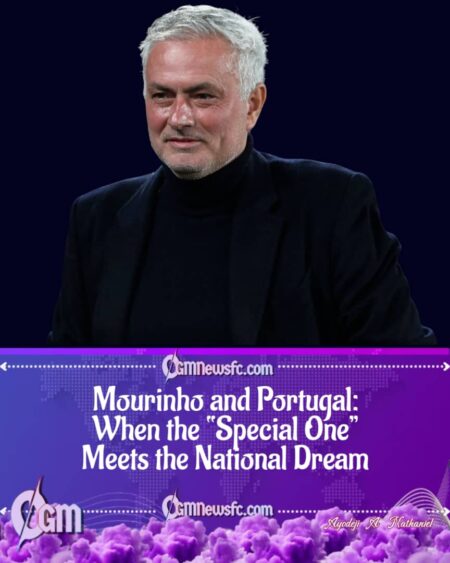
José Mourinho and the Portugal national team is a pairing that feels both inevitable and endlessly delayed. Reports that Mourinho is expected to be offered the Portugal manager’s job once Roberto Martínez’s contract expires have reignited a familiar debate: is this finally the right time for the country’s most famous coach to take charge of its most famous players?
For newspaper readers, the story sits at the intersection of ambition, timing, and football politics. Mourinho has conquered club football across Europe, yet the one trophy missing from his cabinet is national-team glory preferably with his own country. The question is no longer whether Portugal would consider him, but when the stars might finally align.
Why Mourinho’s Name Never Leaves the Conversation
In Portugal, Mourinho’s name is never far from any major coaching vacancy. According to reports circulating in respected European football media, senior figures within Portuguese football have long viewed him as the ultimate prestige appointment the manager who would instantly command respect in the dressing room and fear abroad.
Analysts note that Mourinho’s tactical discipline and tournament experience make him particularly well-suited to international football. Knockout competitions reward pragmatism, game management, and emotional control areas where Mourinho has built an entire career. If international football is chess, Mourinho has been playing speed chess at the highest level for 20 years.
Roberto Martínez: Contract, Calm, and the Waiting Game
Roberto Martínez remains firmly in place, and officially, there is no vacancy. His contract runs through the current cycle, and federation officials have repeatedly emphasized stability ahead of major tournaments. Publicly, there is no drama — just preparation, qualifiers, and press conferences full of calm reassurance.
Still, football politics rarely operate only in public. Behind the scenes, federations plan years ahead. The expiration of Martínez’s deal creates a natural decision point, and it is at that moment not before that Mourinho’s candidacy is expected to become more than just speculation.
A Coach Built for Tournaments, Not Training Camps
One reason Mourinho’s name carries weight is his reputation as a short-term problem solver. He has often thrived when parachuted into high-pressure situations, quickly organizing teams to compete immediately rather than over long rebuilds.
International football, with limited training time and high stakes, fits that profile neatly. Observers from major football outlets have pointed out that Mourinho’s famed defensive structure and psychological edge could be ideal for Portugal’s golden generation — talented, experienced, and desperate to turn promise into medals.
Timing, Ego, and the Portuguese Football Ecosystem
Of course, hiring Mourinho is never just a football decision. He brings charisma, controversy, and an oversized media presence. That can be an asset or a distraction depending on results. Some within Portuguese football have historically worried about balancing Mourinho’s authority with federation structures.
There is also Mourinho himself to consider. At club level, he thrives on daily involvement. A national-team role requires patience, restraint, and long stretches of waiting not exactly his trademark. Still, as he has hinted in past interviews, managing a national team feels like a career chapter he would like to write before the final whistle.
What This Would Mean for Portugal’s Players
For the players, a Mourinho appointment would be seismic. Veterans would likely relish his trust and clarity, while younger players would quickly learn that reputations mean little compared to tactical obedience.
Portugal’s squad is rich in attacking flair, but critics have often argued it needs a sharper competitive edge in decisive moments. Mourinho’s arrival would signal a shift in tone: less romance, more results. As one pundit joked, the football might not always be beautiful, but the passport stamps could be.
Speculation Today, Decision Tomorrow
For now, this remains a story of expectation rather than confirmation. Martínez is still in charge, matches are still being played, and Mourinho is still doing what José does best — keeping one eye on the present and another on the next challenge.
Yet football history suggests this conversation is not going away. Whether next year or after a major tournament, the idea of José leading Portugal feels less like fantasy and more like an appointment waiting for the right calendar date.


