



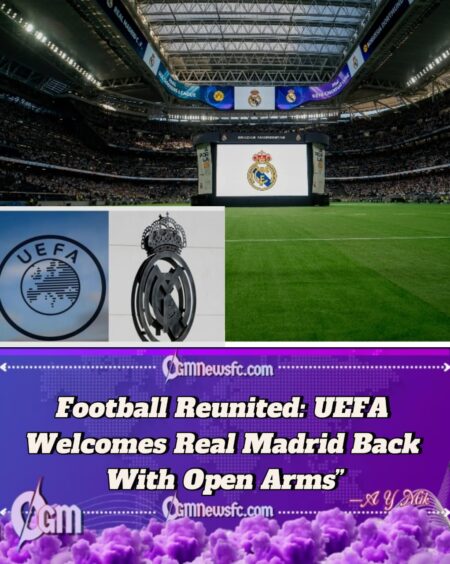
After years of heated debate, legal battles, and more press statements than goals in a preseason, Real Madrid has finally signed a formal peace treaty with UEFA and the European Football Clubs (EFC). The agreement marks an end — at least temporarily — to the controversial European Super League saga that shook European football to its foundations.
Rafael Louzan, president of the RFEF, lauded the deal as “clear, evident, and undeniable,” emphasizing the importance of collaboration in the modern football era. He also expressed gratitude to Florentino Pérez, describing his role as central in restoring harmony among clubs, governing bodies, and fans.
While supporters cheer the end of uncertainty, some analysts joke that this is football politics at its most dramatic: less about the pitch, more about negotiation tables.
Real Madrid Key Players: UEFA, EFC, and the Ever-Strategic Pérez
The treaty required careful coordination among all stakeholders. UEFA promised to reinforce its competitions and maintain sporting merit, while Real Madrid agreed to pause plans for the Super League, essentially returning to the fold of established European football governance.
Louzan praised Pérez as a “visionary leader” whose influence helped seal the agreement. Meanwhile, Nasser Al-Khelaifi, chair of the EFC, also hailed the deal, noting that “no party lost” — a remarkable statement for a saga where everyone once felt like a battlefield general.
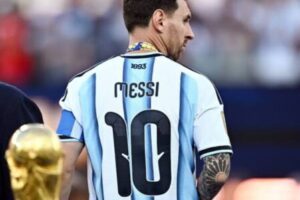
It’s a rare moment in European football when egos align for the greater good — almost like seeing Messi and Ronaldo agreeing on pizza toppings.
The Super League Shadow: Lessons Learned
The Super League, proposed in 2021, triggered global outrage. Clubs faced potential bans, fans protested online and offline, and leagues issued stern warnings. Real Madrid, spearheading the initiative, often found itself in the eye of the storm.
The new agreement formally ends the controversy, reinforcing financial sustainability, fan engagement, and competitive integrity. UEFA President Aleksander Čeferin celebrated the pact, stating: “Football is the only real winner.”
Though some critics like Javier Tebas view the move as a pragmatic pivot rather than true reconciliation, most observers agree it restores stability to European competitions.
Global Reactions: Applause Across the Football World
The response to the treaty has been largely positive. Barcelona welcomed it as an “act of common sense,” and other major clubs and national associations applauded the end of uncertainty.
Social media quickly lit up with fans celebrating, poking fun at the saga, and sharing memes about Pérez as the reluctant peacemaker. Analysts noted that football politics can be as entertaining as matchday drama — sometimes even more so.
Real Madrid Impact on European Football
The deal promises several practical outcomes:
Legal disputes over the Super League are halted, saving clubs from court drama.
UEFA competitions are strengthened, ensuring that clubs participate based on merit rather than breakaway ambitions.
Collaboration improves among clubs, federations, and governing bodies, paving the way for more stable football governance.
Though the path ahead is smoother, observers know the next controversy is always just a transfer window away.