









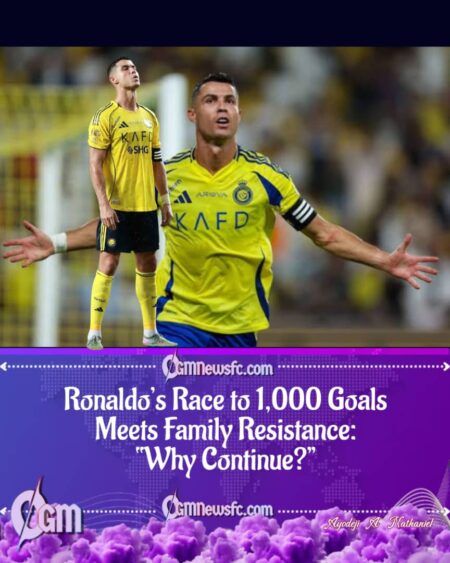
As Cristiano Ronaldo surpasses the 900-goal mark, the football world finds itself captivated by the possibility of an unprecedented milestone: 1,000 career goals. The Portuguese forward has spent more than two decades redefining longevity and excellence, scoring across multiple leagues and international tournaments.
Modern record-keeping lends credibility to Ronaldo’s tally, distinguishing his achievements from disputed historical claims surrounding early-era legends. Every goal has been documented across elite competitions, reinforcing the legitimacy of his pursuit and amplifying global anticipation.
Yet the path to four figures remains steep. Even for an athlete celebrated for discipline and conditioning, the physical and mental demands of elite football at age 41 present formidable obstacles.
Family Voices Urging an Exit
Recent remarks attributed to Ronaldo suggest his family is encouraging him to consider retirement. According to reports, relatives have questioned his relentless drive, asking why he continues chasing 1,000 goals when his legacy is already secure.
Their concerns reportedly center on long-term health, personal well-being, and the opportunity to embrace life beyond football. After decades of intense training, travel, and scrutiny, the family’s perspective reflects a desire for balance and preservation.
While supportive of his ambitions, those closest to Ronaldo are said to believe he has nothing left to prove. Their appeals highlight the human dimension behind a career often defined by superhuman standards.
The Mindset That Built a Legend
Ronaldo’s pursuit of 1,000 goals underscores the psychology of elite athletes who rarely feel “finished.” Throughout his career, he has transformed improbable targets into benchmarks—multiple Ballon d’Or titles, Champions League records, and international success with Portugal.
For Ronaldo, the milestone represents more than numbers. It symbolizes a lifelong commitment to pushing boundaries and redefining what is possible in modern football. This mindset has fueled his ability to adapt, evolve, and remain decisive across different leagues and tactical systems.
Sports psychologists note that athletes of his caliber often fear the void that retirement may bring. Competition provides structure, identity, and purpose—elements that are difficult to replace once the final whistle blows.
Defying Time: Physical Reality at 41
Age remains football’s most unforgiving opponent. Despite Ronaldo’s rigorous fitness regime, recovery routines, and dietary discipline, maintaining peak performance into his forties demands extraordinary effort.
His evolution from explosive winger to clinical penalty-area finisher has extended his career. By relying more on positioning, timing, and aerial prowess, he has preserved his goal-scoring threat while reducing physical strain.
Nevertheless, the margin for error narrows with each passing season. Injuries take longer to heal, match congestion tests endurance, and the pace of the modern game continues to intensify.
A Legacy Already Etched in Football History
Regardless of whether he reaches 1,000 goals, Ronaldo’s place among football’s immortals is secure. He remains the all-time leading scorer in the UEFA Champions League and Portugal’s national team history, with major honors in England, Spain, Italy, and on the international stage.
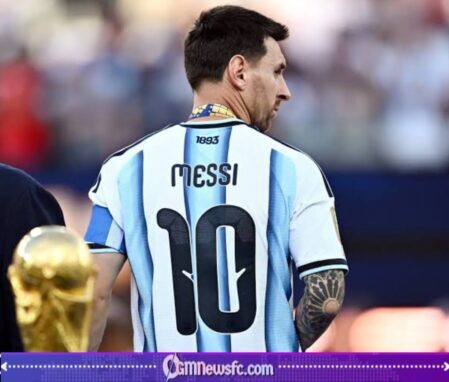
Debates about the greatest player of all time persist, frequently featuring Ronaldo alongside Lionel Messi. Yet even within that rivalry, Ronaldo’s sustained excellence and adaptability distinguish his career.
For many observers, the 1,000-goal quest is less about validation than symbolism a final monument to a generation-defining career built on discipline, ambition, and relentless self-belief.
Retirement or One Final Chapter?
The decision facing Ronaldo now is deeply personal: heed his family’s calls to step away or pursue one last historic target. He has previously stated that he will retire when he no longer feels capable of performing at the highest level, suggesting that the choice will ultimately be his alone.
If he continues, every goal will carry heightened significance, drawing global attention and extending one of football’s most extraordinary narratives. If he retires, he will leave the sport with a legacy that transcends statistics—an enduring example of professionalism and perseverance.
In the end, the conversation sparked by his family’s concerns reveals a universal truth: even legends must confront the moment when ambition meets reality, and the final decision defines not only their career, but their life beyond the game.