









The upcoming 2026 FIFA World Cup, scheduled to take place across the United States, Canada, and Mexico, is facing a significant political challenge after Iran officially confirmed it will boycott the tournament. The decision follows escalating military conflict involving Iran, the United States, and Israel, which Iranian officials say has made participation impossible under current conditions.
Iran’s Sports Minister, Ahmad Donyamal, announced that the national team would not take part in the global competition despite successfully qualifying. The development introduces uncertainty for international football authorities, as the World Cup—widely regarded as the largest sporting event in the world—prepares for its expanded 48-team format.
The announcement also underscores how geopolitical tensions are increasingly intersecting with international sports, raising questions about the tournament’s schedule, group standings, and FIFA’s potential response.
Iran’s Official Boycott Announcement
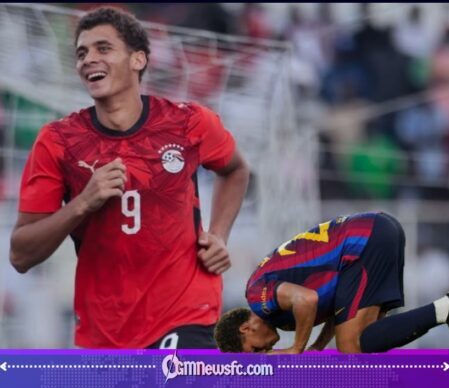
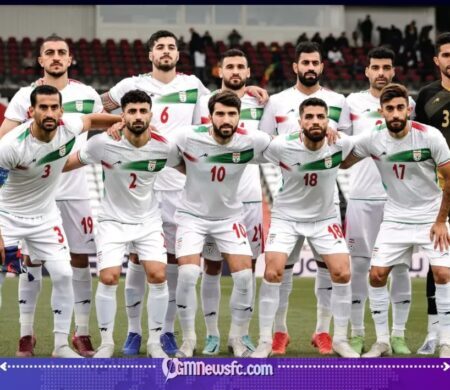
Iran had already secured its place in the tournament and had been drawn into Group G, alongside New Zealand, Belgium, and Egypt. Matches were scheduled to take place in the United States, with games planned in Los Angeles and Seattle.
However, Sports Minister Ahmad Donyamal stated during a televised interview that Iran would not participate because of ongoing hostilities with the United States and its allies. According to him, the country’s leadership believes the current political climate makes sporting engagement impossible.
Donyamal said the decision followed a period of escalating violence in which Iran claims thousands of citizens have been killed. He argued that, given the circumstances, there were “no conditions under which we can participate in the World Cup,” adding that the country had been forced into multiple wars within a short period.
FIFA and Western Leaders Respond
The announcement contrasts with earlier remarks from international football authorities, who had indicated that Iran remained welcome to compete.
FIFA President Gianni Infantino recently said the organization had received assurances from U.S. officials that the Iranian national team would be allowed to participate. In a statement shared publicly, Infantino emphasized that the World Cup should remain a unifying event for nations despite political tensions.
“We all need an event like the FIFA World Cup to bring people together now more than ever,” he said, stressing the belief that football can help bridge political divisions.
FIFA’s Chief Executive Officer, Heimo Schirgi, also suggested that the tournament would proceed regardless of geopolitical developments. He said the World Cup was “too big” to be disrupted and expressed hope that all qualified teams would ultimately participate.
Conflict in the Middle East Escalates
The broader crisis surrounding Iran’s decision is rooted in an escalating conflict involving Iran, the United States, and regional actors in the Middle East. Reports indicate that the war has expanded rapidly, drawing in several neighbouring countries including Bahrain, the United Arab Emirates, Oman, Saudi Arabia, Jordan, Qatar, and Kuwait.
Recent military strikes have intensified tensions, including air attacks on infrastructure targets in Tehran. The conflict has reportedly caused significant casualties and widespread instability across the region.
In remarks earlier this week, U.S. President Donald Trump suggested the military campaign was progressing quickly, stating that the United States was “very far ahead of schedule.” He also indicated dissatisfaction with Iran’s new leadership following the death of its previous supreme leader.
These developments have further complicated diplomatic relations and increased uncertainty about international cooperation in areas such as sports and travel.
Global Sporting Impact and Security Concerns
The consequences of the conflict are already affecting international sporting schedules beyond Iran’s boycott announcement.
Travel disruptions across the Middle East have forced several sporting bodies to reconsider upcoming fixtures. The Iraqi Football Federation recently requested that its World Cup play-off match be postponed because of severe logistical difficulties related to regional instability.
Security concerns have also emerged in North America, where parts of the tournament will be hosted. Authorities in Mexico are preparing extensive security operations following violence triggered by the killing of a major cartel leader during a military operation.
Officials have announced plans to deploy up to 100,000 security personnel in certain areas to protect players, teams, and supporters during the tournament. The measures reflect growing awareness that large global events can be vulnerable to wider geopolitical tensions.
What Iran’s Withdrawal Could Mean for the World Cup Tournament
Iran’s boycott could force FIFA to consider several regulatory and logistical questions. Under existing tournament rules, governing bodies must determine whether a withdrawn team can be replaced and how group standings would be adjusted.
If the withdrawal becomes official, football authorities may look to qualification rankings or confederation playoff results to select a replacement team. However, such decisions are typically complex and require approval from FIFA’s governing council.
Despite the uncertainty, officials insist the tournament will proceed as planned. Organizers remain confident that the World Cup—set to begin on June 11—will still attract global attention even if political tensions continue.
For now, the situation highlights the delicate relationship between global sport and international politics, as football’s biggest event prepares to unfold amid one of the most volatile geopolitical periods in recent years.