







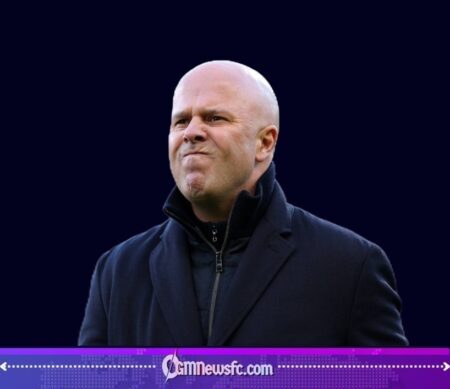
Liverpool’s current predicament has placed head coach Arne Slot at the centre of an increasingly familiar football narrative: when results falter, the manager becomes the most visible and expendable figure. Despite inheriting a challenging brief and navigating a season filled with inconsistencies, Slot now finds himself under mounting pressure—not necessarily because he is solely responsible, but because he represents the most immediate lever for change.
The Liverpool’s recent downturn, following the remarkable success of the previous campaign, has triggered questions that extend far beyond the touchline. Yet, in modern football, complexity rarely prevents decisive action. As Liverpool grapple with fluctuating performances and rising fan dissatisfaction, the possibility of managerial change looms—not as a guaranteed solution, but as the most convenient one.
From Triumph to Turbulence: A Shift in Momentum
Liverpool’s recent history underscores how quickly perceptions can change in elite football. Under Jürgen Klopp, the club built a formidable identity, culminating in a dominant title-winning campaign that appeared to signal sustained success. That triumph, achieved with cohesion and clarity, elevated expectations to extraordinary levels.
However, the following season has lacked the same fluency. Performances have often appeared laboured, with reduced intensity and slower tempo undermining the team’s effectiveness. A disappointing display against Tottenham, met with audible frustration from supporters, encapsulated the growing disconnect between expectations and reality.
This shift has transformed optimism into uncertainty. What once seemed like a seamless transition from Klopp to Slot is now being re-examined through a more critical lens.
The Weight of Expectations in the Post-Klopp Era
Replacing a figure such as Klopp was always going to present a formidable challenge. Slot inherited not only a squad shaped by his predecessor but also a philosophy deeply embedded within the club’s culture. Adapting that framework while implementing his own ideas has proven to be a delicate balancing act.
Early success led many to believe that Liverpool had successfully navigated the post-Klopp transition. Innovations such as data-driven performance models and tactical refinements were widely praised. Players like Mohamed Salah thrived, while tactical adjustments appeared to maximise the squad’s strengths.
Yet, as results have dipped, those same elements are now being scrutinised. What was once considered progressive is increasingly viewed as insufficient, illustrating how success can validate decisions just as failure can undermine them.
Assessing Responsibility: Where Does the Blame Lie?
Determining the root causes of Liverpool’s decline is far from straightforward. Injuries, inconsistent recruitment, and fluctuating individual form have all contributed to the team’s struggles. The dip in performance levels from key players, alongside tactical inconsistencies, complicates any attempt to isolate a single factor.
Importantly, many of these challenges fall outside the direct control of the head coach. Recruitment strategies are often shaped by broader club structures, while player performance can be influenced by variables ranging from fitness to morale. The tragic loss of Diogo Jota, for instance, introduced emotional dimensions that cannot be quantified in tactical analysis.
As a result, attributing responsibility solely to Slot risks oversimplifying a multifaceted situation. The reality is that Liverpool’s struggles reflect a convergence of issues rather than a singular failure.
Modern Football’s Paradox: The Manager as a Symbol
The situation at Liverpool highlights a broader paradox within contemporary football. Managers operate within increasingly complex organisational frameworks, where decision-making is distributed across multiple departments. Despite this, they remain the primary symbols of success or failure.
When results decline, structural issues—ranging from recruitment policies to long-term strategy—are often overshadowed by the immediacy of managerial accountability. The coach becomes, in effect, a narrative device: a figure through whom change can be visibly enacted.
This dynamic explains why managerial changes are so common, even when underlying problems persist. Replacing the coach offers the appearance of decisive action, regardless of whether it addresses the root causes.
Fan Sentiment and the Pressure for Change
Supporter sentiment has played a significant role in shaping the current discourse. Frustration has grown as performances have failed to meet expectations, with criticism extending beyond results to encompass style of play and perceived lack of direction.
Prominent voices, including Jamie Carragher, have publicly expressed concerns, amplifying the sense of unease. In football, such shifts in public opinion can accelerate decision-making processes, particularly at clubs with high expectations.
However, fan dissatisfaction often reflects broader anxieties rather than isolated issues. From matchday experiences to tactical frustrations, the sources of discontent are varied—yet they frequently converge on the figure of the manager.
A Simple Solution to a Complex Problem Confronting Liverpool
As Liverpool weigh their options, the potential dismissal of Arne Slot appears less like a definitive solution and more like an inevitable outcome of modern football’s dynamics. The club’s challenges are complex, rooted in structural, tactical, and psychological factors that extend beyond any single individual.
Yet, in the absence of clear alternatives, managerial change offers a tangible response. Slot may ultimately bear the consequences not because he is solely responsible, but because he is the most accessible point of intervention.
In this context, his departure—should it occur—would reflect not just Liverpool’s current struggles, but the broader realities of a sport where simplicity often prevails over nuance.