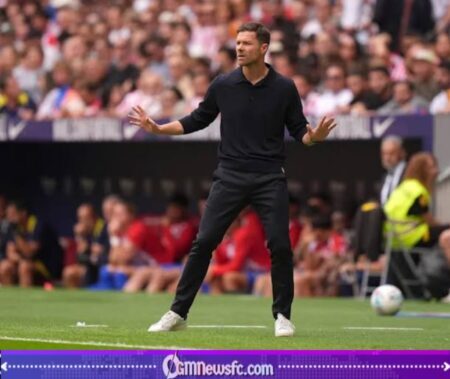




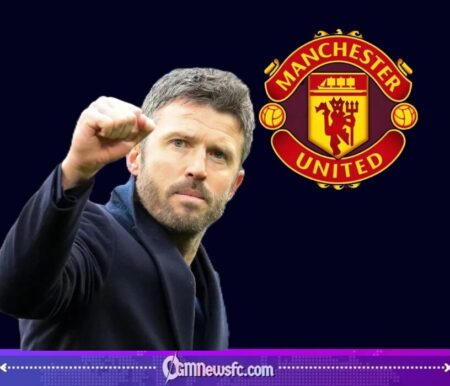
Manchester United supporters expected another exhausting summer filled with rumours, panic and tactical confusion, but instead the club handed Michael Carrick the permanent manager’s job after a remarkable turnaround that dragged the Red Devils back into the Champions League. Carrick, once viewed merely as the calm man temporarily holding the steering wheel, has now been trusted with the entire vehicle until 2028 — which in modern football terms is roughly equivalent to promising eternal loyalty during a transfer window.
Carrick Signs Long-Term Manchester United Deal After Top-Four Finish
Carrick’s rise from interim manager to permanent boss became almost unavoidable after Manchester United collected crucial victories against Manchester City, Arsenal, Chelsea, Aston Villa and Liverpool during his short but highly effective spell in charge. The former midfielder won 11 of his 16 matches after replacing Ruben Amorim in January, restoring balance to a team that previously defended like strangers arguing over parking spaces. Players suddenly looked organised, motivated and aware that football matches usually last ninety minutes, not just the exciting final ten.
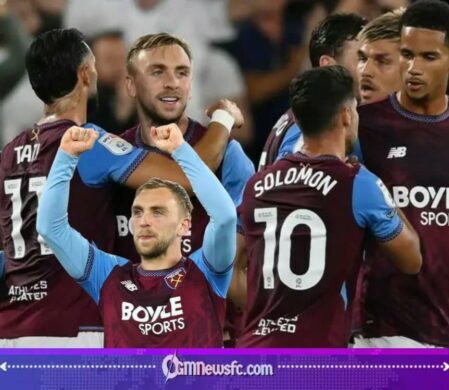
The Champions League qualification effectively sealed the decision. United’s dramatic 3-2 victory over Nottingham Forest confirmed third place with a game remaining, triggering celebrations around Old Trafford and probably reducing blood pressure levels across Manchester. Carrick spoke emotionally about the “magic” of Manchester United and the responsibility of leading the club, while executives praised his leadership and connection with the dressing room. Behind the official statements, however, there was likely relief that the club finally found stability without launching another expensive managerial treasure hunt across Europe.
Manchester United Back to Champions League After Difficult Season
Carrick’s appointment also reflects a wider shift inside Manchester United’s football structure. Since the arrival of new sporting leadership, the club has emphasised long-term planning, dressing-room culture and tactical identity instead of chasing quick-fix celebrity solutions. Recent seasons exposed how chaotic recruitment decisions and managerial instability damaged consistency at Old Trafford. Carrick’s familiarity with the club’s traditions and internal expectations appears to have convinced decision-makers that continuity may finally be worth more than another dramatic rebuild.
The Champions League return carries enormous financial and sporting importance. United had reportedly faced pressure to attract elite players without Europe’s biggest competition, and Carrick’s success now gives the club stronger negotiating power ahead of the summer transfer window. His calm approach has also earned praise from former players and analysts who believe the squad responds better to clarity and structure rather than emotional chaos. Ironically, the simplest tactical innovation may have been reminding Manchester United that midfield control is useful and defending set-pieces should not resemble emergency evacuation drills.
Carrick now enters the most dangerous stage of football management: expectation. Interim managers are often treated like temporary heroes, but permanent managers are judged weekly with the patience of social media during a buffering livestream. Still, Carrick’s early work has restored optimism at Old Trafford, brought back Champions League football and convinced supporters that Manchester United may finally be rebuilding with logic instead of panic. OGM News FC will continue monitoring whether this Carrick revival becomes a lasting football revolution or simply the calm before football’s next dramatic storm.