





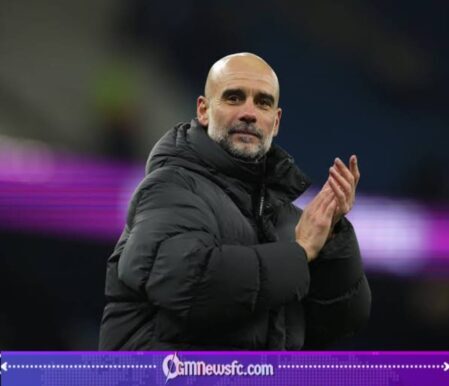
Pep Guardiola appears ready to leave the technical area without truly leaving the City Football Group universe, with plans emerging for the legendary coach to become a Global Ambassador for the organization after stepping away from club management. The development has immediately triggered fascination across football because Guardiola rarely enters any role quietly. Even his exits arrive with tactical diagrams attached.
The Guardiola transition is being presented internally as a strategic evolution rather than a clean separation. Instead of managing weekly matches, he is expected to provide technical advice to clubs within the City Football Group structure while participating in collaborative football projects. In practical terms, this means the architect behind some of modern football’s most influential tactical systems could soon influence multiple clubs simultaneously without having to survive rainy away fixtures every weekend.
Guardiola Leaves Tactical Whiteboard, Upgrades to Worldwide PowerPoint Duties
The Guardiola move comes after years of dominance, scrutiny, and endless debates surrounding Manchester City’s football identity. During his managerial reign, Guardiola transformed positional play into something resembling football’s version of advanced mathematics, where defenders became midfielders, midfielders became artists, and opposing coaches occasionally became motivational speakers for traumatized defenders. His influence extended beyond trophies into recruitment structures, academy planning, and long-term football philosophy.
Sources surrounding the City Football Group project suggest the new ambassadorial role will focus heavily on technical collaboration between clubs inside the global network. That could include development planning, coaching support, tactical innovation, and broader sporting projects. While critics may frame the role as a luxurious backstage position designed to keep Guardiola close to power, CFG executives reportedly view it as preserving institutional continuity. In football terms, the company seems determined to ensure Guardiola’s football DNA remains embedded in the organization long after the final touchline fist pump.
Guardiila Influence a major factor to keep him at the club fit technical role
The Guardiola appointment also highlights how modern football ownership groups increasingly operate like multinational corporations rather than isolated clubs. City Football Group already oversees a network of teams across different continents, and Guardiola’s global role may strengthen tactical consistency and player development pathways between those clubs. The arrangement reflects a growing trend where elite managers become long-term strategic assets instead of temporary sideline employees.
Additional reporting surrounding the situation suggests Guardiola’s value extends beyond coaching alone. Commercial influence, global branding, academy credibility, and football innovation all contribute to his importance within the organization. Rival supporters may joke that Guardiola has secured football’s most glamorous consultancy role, complete with airports, presentations, and fewer emergency substitutions, but the broader industry sees something more significant: elite clubs are increasingly building institutional systems around influential football thinkers rather than replacing them outright after managerial cycles end.
The Guardiol era on the touchline may be approaching its final whistle, but his influence inside City Football Group appears far from over. If anything, the organization seems determined to expand his reach beyond one dressing room and into an entire football empire. Whether supporters celebrate the move as visionary planning or mock it as football’s fanciest internal promotion, one reality remains difficult to ignore: Guardiol may no longer control a single bench, but he could soon shape an entire network of them.