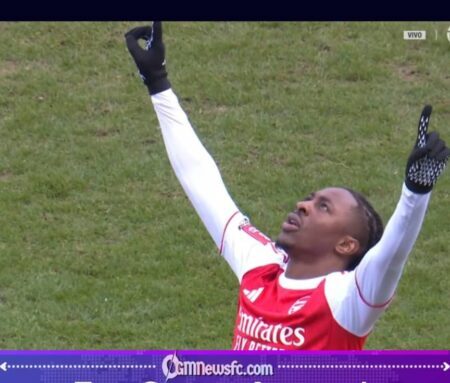











Miguel Almiron and the new FIFA Red Card Rule became the centre of football’s latest global debate after Paraguay’s winger was dramatically dismissed during a tense World Cup group-stage victory over Turkey. What looked like an ordinary mid-match argument suddenly turned into a landmark moment in football history, leaving fans, pundits, and perhaps a few nervous trash-talkers wondering whether the safest way to argue now is through interpretive dance.
Miguel Almiron Sent Off as New FIFA Red Card Rule Debuts
Paraguay were leading 1-0 shortly before half-time when Almiron approached Turkey defender Mert Muldur during a confrontational exchange. The Paraguayan covered his mouth while speaking, a gesture long associated with players attempting to prevent cameras or lip readers from identifying what is being said. Muldur immediately alerted nearby officials, prompting a VAR review. Referee Ivan Barton subsequently showed Almiron a red card, making him the first player dismissed under the newly implemented FIFA Red Card Rule.
The decision stunned many observers because no offensive language was publicly confirmed. However, under the recently adopted regulations, the act of covering one’s mouth during a hostile confrontation with an opponent can itself trigger disciplinary action. FIFA and lawmakers behind the change argue that players should not be able to hide potentially abusive or discriminatory comments from officials and broadcasters. Critics, meanwhile, have noted that football may now be the only workplace where placing a hand over your mouth during an argument can result in immediate unemployment for the afternoon.
Cover Your Mouth, Lose Your Matchday
The FIFA Red Card Rule emerged after growing concern over incidents involving alleged discriminatory and abusive language in elite football. Football authorities spent months discussing ways to improve accountability, particularly during heated confrontations that occur beyond the reach of microphones. The issue gained significant attention following disciplinary cases involving players accused of using offensive language while obscuring their faces from cameras. Lawmakers concluded that greater transparency was necessary, leading to the rule’s approval during a special meeting in Vancouver earlier this year.
Importantly, the regulation is narrower than many supporters initially believed. The rule applies specifically to confrontational interactions with opponents and does not generally cover tactical discussions with teammates, coaches, or routine conversations during a match. Referees retain full discretion and must consider the circumstances before issuing a dismissal. That discretion will likely remain under intense scrutiny as future incidents arise. Almiron himself had already experienced another recently introduced law earlier in the tournament when a VAR review reversed a foul decision and instead penalised him for simulation, suggesting the Paraguayan has become an unintended pioneer in football’s rapidly expanding rulebook.
Paraguay ultimately defended their lead with remarkable resilience and secured a crucial 1-0 victory over Turkey despite playing more than half the match with ten men. Yet while the result strengthened Paraguay’s hopes of reaching the knockout stage, the lasting image may not be the winning goal or the defensive effort. Instead, football’s newest talking point is whether the Miguel Almiron incident represents a necessary step toward accountability or the beginning of a future where every heated exchange is treated like a courtroom exhibit. For now, the FIFA Red Card Rule has arrived, and players around the world may be thinking twice before trying to keep their words a secret.