







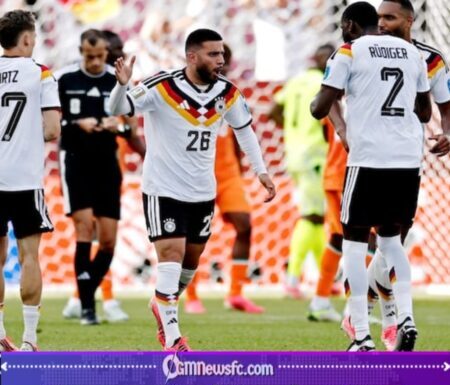
Undav and Comeback became the defining words of Germany’s dramatic 2-1 victory over Ivory Coast, a match that spent most of the evening teasing an upset before ending with a familiar football lesson: never assume the final chapter has been written. Germany booked their place in the World Cup last 32 thanks to substitute Deniz Undav, whose late double transformed a tense Group E contest into a celebration. For Ivory Coast, meanwhile, the night ended with the kind of heartbreak that makes stoppage time feel much longer than the clock suggests.
Undav Changes the Script
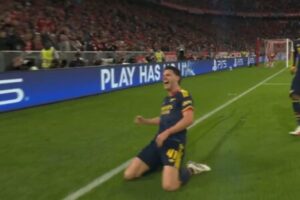
Germany entered the match expecting to strengthen their position in Group E, but Franck Kessie had other ideas. The experienced midfielder stunned Julian Nagelsmann’s side with a well-taken goal in the 30th minute, exposing defensive hesitation and rewarding Ivory Coast for an energetic first-half display. Germany dominated possession but often looked predictable in attack, as if they had brought a detailed plan but misplaced the final page.
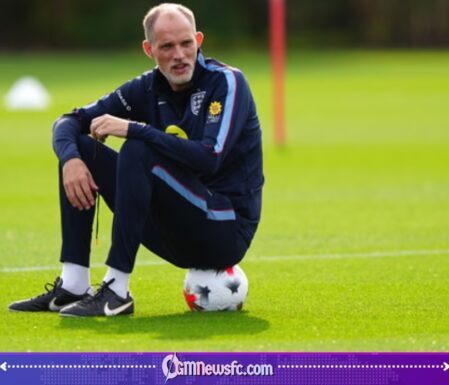
As frustration grew, Nagelsmann turned to his bench, and the gamble paid off spectacularly. Undav equalized in the 68th minute after being supplied by Nadiem Amiri, restoring German belief and shifting momentum. With Ivory Coast defending desperately and extra time ticking away, Felix Nmecha helped create the decisive moment as Undav struck again in stoppage time. The Undav Comeback instantly transformed him from substitute to headline-maker and sent Germany into the knockout rounds.
Comeback Context and Bigger Questions
The Comeback victory continues a recent trend in modern tournament football, where squad depth often proves as valuable as starting-line quality. Germany’s bench altered the match, highlighting the importance of impact substitutes in a competition where tired legs and narrow margins frequently determine outcomes. While the celebrations will focus on Undav’s heroics, coaching staff may spend the coming days reviewing why Germany struggled to create clear opportunities for so much of the contest.
For Ivory Coast, the result is painful but also encouraging. Kessie’s leadership and the team’s disciplined structure demonstrated that they can compete with elite opposition. Their organization disrupted Germany for long stretches, and many observers will argue that the scoreline was harsher than the performance deserved. Yet tournament football rarely awards style points. It rewards concentration until the final whistle, and Germany capitalized when the smallest defensive gaps appeared.
The Undav Comeback secures Germany’s place in the last 32 and provides a memorable World Cup moment, but it also raises intriguing questions about their championship credentials. If Germany can combine their resilience with a more consistent attacking display, they will remain dangerous contenders. If not, future opponents may view this dramatic escape as evidence that the tournament giants are still searching for their best version. OGM News FC will continue monitoring whether this comeback becomes a launching pad for a title challenge—or simply a spectacular warning sign hidden beneath three valuable points.