









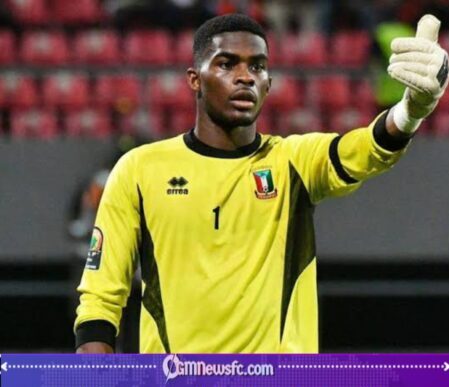
The football world has been confronted with another deeply painful reminder that what happens on a football pitch can have consequences far beyond the final whistle. FC Andorra goalkeeper Jesús Owono has received a 12-match suspension from the Spanish Football Federation following the challenge involving Tenerife forward Jesús de Miguel, who tragically died the day after their collision. The decision has immediately raised an uncomfortable question: when a football incident ends in the loss of human life, can a suspension, even the maximum punishment available under the rules, genuinely be considered justice? While football authorities have delivered their disciplinary verdict, the emotional and moral questions surrounding this tragedy are far from settled.
The Fatal Collision That Turned a Football Match Into a National Tragedy
The incident occurred on November 2, 2026, during a Spanish second-division encounter between Tenerife and FC Andorra. Owono, 25, came out to challenge for an aerial ball and collided with De Miguel, 30, during the closing stages of the match. The goalkeeper was immediately sent off after the referee judged that he had struck his opponent violently in the chest with his leg, using excessive force. De Miguel received emergency medical attention before being taken to hospital, where he died on November 3.
The tragedy left both clubs, their supporters and the wider Spanish football community mourning a player whose life ended during an ordinary afternoon of professional football. Owono subsequently expressed his enormous pain over De Miguel’s death, describing the period as the most difficult days of his life. His club has also made it clear that he is receiving support and that he will not be pressured into returning to football before he feels ready. This is no longer simply a story about a goalkeeper receiving a red card; it is a tragedy involving two footballers whose lives have been dramatically affected by one incident.
Twelve Matches, Maximum Punishment: But What Does Justice Really Mean?
On November 13, the Spanish Football Federation’s disciplinary committee handed Owono a 12-match suspension, the maximum punishment available under the disciplinary provision applied to the incident. The committee explained that its decision was based on the referee’s official report, which described the challenge as violent and involving excessive force. It also considered the fatal outcome when deciding that the maximum sanction was justified. Separately, the federation ruled that the abandoned match would not be replayed, allowing the 2-2 scoreline to stand because resuming the contest would be inappropriate given the circumstances.
However, the decision raises a difficult question about the limits of football discipline. If a player receives a 12-match suspension following an incident in which another footballer loses his life, should the public regard that as sufficient punishment? From the federation’s regulatory perspective, the answer is that Owono has received the maximum sporting sanction permitted under the provision applied. But from a human perspective, twelve matches cannot adequately express the magnitude of a life lost. There is also an important distinction between sporting discipline and criminal responsibility: reports indicate that Spanish police opened an investigation under judicial supervision, meaning the disciplinary decision should not automatically be treated as a final legal determination of responsibility.
The situation is particularly delicate because Owono is also a human being dealing with the emotional consequences of a tragedy. FC Andorra manager Carles Manso has explained that the goalkeeper is spending time with his family and remains free to decide whether, when or even if he wants to return to professional football. That position deserves consideration. Justice for De Miguel must not become an excuse for ignoring the psychological burden on Owono, just as sympathy for Owono must not diminish the pain experienced by De Miguel’s family. Both realities can exist at the same time.
Ultimately, the 12-match suspension is the strongest sporting punishment available under the provision the federation applied, but whether it is enough to satisfy the wider demand for justice is another matter entirely. No number of missed matches can restore De Miguel’s life, and no disciplinary ruling can erase the grief of his loved ones. The football world must therefore watch how the separate legal process develops while allowing both families and the affected clubs the space to grieve. OGM News will continue following this heartbreaking story.