










Bruno Fernandes converted a stoppage-time penalty to deliver a 3-2 win over game Burnley on Saturday, earning Manchester United their first Premier League win of the season in dramatic fashion. If Old Trafford were a reality TV show, Saturday’s episode would have been titled “How to Win Friends and Influence Penalties in Seven Minutes of Added Time.” After Wednesday’s humiliating 12-11 penalty shootout defeat to League Two Grimsby Town in the Carabao Cup – yes, you read that correctly, League Two – United desperately needed a straightforward victory against newly-promoted Burnley.
Instead, what they got was another heart-stopping, nail-biting, stress-inducing thriller that probably sent half the Stretford End straight to their cardiologists. The performance was far from convincing, with Burnley equalising twice in the match, but it was a step in the right direction for Ruben Amorim, who was under significant pressure after the Grimsby debacle. The Portuguese manager had boldly declared this a “must win” fixture, and thankfully for him, Bruno Fernandes doesn’t do “must miss” penalties when it really matters.
The match epitomized everything chaotic about this current Manchester United side: early penalty controversies, own goals providing relief, injury concerns, defensive lapses, and ultimately salvation through a captain who knows how to handle pressure. It wasn’t pretty, but in football, sometimes ugly wins are more beautiful than gorgeous defeats.
Amorim’s Tactical Gamble and Growing Pains
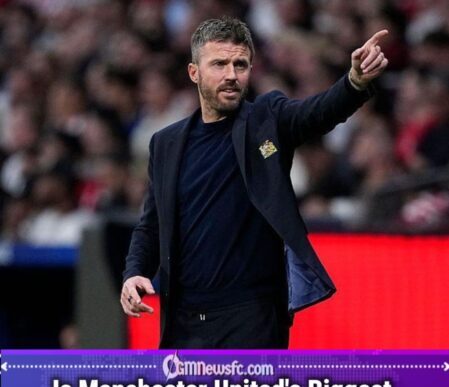
Manchester United were much improved against Burnley but needed a last-gasp spot-kick from Bruno Fernandes to take the points after more goalkeeping woes, with Ruben Amorim having his captain to thank after the Portuguese kept his cool to slot home a 97th-minute winner. Amorim’s pre-match program notes were refreshingly honest: “The only way we fix this is by winning games.” Well, mission accomplished, but the 40-year-old manager looked like he’d aged about five years by the final whistle.
The tactical setup showed promise in patches, with Manchester United creating chances and showing more attacking intent than in recent outings. However, the recurring theme of being unable to kill games off reared its ugly head once again. Against a newly-promoted side that most pundits expected United to steamroll, the Red Devils found themselves in another backs-to-the-wall scenario. It’s becoming a worrying pattern under Amorim – good spells followed by defensive fragility and an inability to control matches.
After exiting the League Cup to fourth-tier Grimsby on Wednesday, the Red Devils twice blew the lead at Old Trafford – a statistic that would be laughable if it weren’t so concerning. Amorim’s philosophy is clear, and his commitment to playing “his way” is admirable, but the early evidence suggests this transition period might be bumpier than anyone anticipated. The international break couldn’t have come at a better time for a manager who needs to figure out how to turn promising performances into convincing victories.
Bruno’s Redemption Arc: From Zero to Hero in Four Days
The irony was delicious. Just four days earlier, Bruno Fernandes had blazed a penalty over the bar against Fulham after what he described as being “triggered” by the referee. Following an incident with the referee, Bruno Fernandes blasted his penalty over the bar in Manchester United’s 1-1 draw away at Fulham. Against Burnley, when the pressure was at its absolute peak and Amorim’s job prospects hung in the balance, the Portuguese captain stepped up like the leader United desperately needed him to be.
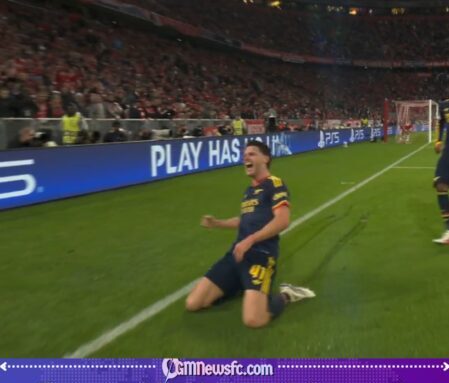
The 97th-minute penalty wasn’t just a goal; it was a statement. Bruno Fernandes kept his cool to slot home a 97th-minute winner against Burnley, converting the penalty that should seal the game in favour of Manchester United. The celebration told the story – not just relief, but vindication after recent criticism about his penalty-taking consistency. When the stakes were highest, when the boos were threatening to ring around Old Trafford, when Amorim needed saving more than a Windows 95 computer, Fernandes delivered.
His overall performance throughout the match was encouraging too, showing the creative spark and leadership qualities that made him such a crucial signing. The Portuguese midfielder’s corner delivery had led to the opening own goal, and his work rate never dropped even as the match swung back and forth. Sometimes football gives you redemption stories within the space of a week – Bruno’s penalty heroics perfectly encapsulated why he wears the captain’s armband.
Burnley’s Brave Battle and Manchester United’s Defensive Concerns
Credit where credit’s due – Burnley didn’t come to Old Trafford to make up the numbers. Lyle Foster and Jaidon Anthony’s goals showcased exactly the kind of clinical finishing and tactical discipline that newly-promoted teams need to survive in the Premier League. Burnley equalised twice in the match and were denied a deserved point only by some late VAR intervention and Fernandes’ composure.
The Clarets’ approach was textbook Championship promotion football: defend deep, stay organized, and punish any mistakes with ruthless efficiency. Foster’s equalizer exposed Manchester United’s ongoing defensive frailties, while Anthony’s leveler demonstrated that even the Theatre of Dreams can become a house of horrors when confidence is fragile. For a team that many predicted would struggle to score goals in the Premier League, Burnley’s attacking display was both impressive and concerning from a United perspective.
Manchester United’s defensive performance raised familiar questions about their ability to see out games. Despite having more possession, better players on paper, and the home advantage, they consistently allowed Burnley back into the contest. The fact that a newly-promoted side could create multiple clear chances at Old Trafford speaks volumes about the work Amorim still needs to do in organizing his backline. It’s one thing to struggle against Manchester City or Arsenal; it’s quite another to look vulnerable against teams you should be comfortably beating.
What Next: International Break Breathing Space
Manchester United secured a much-needed first win of the season for under-fire manager Ruben Amorim, but questions remain about the sustainability of this approach to football management. You can’t keep winning games in the 97th minute – eventually, that luck runs out, and the psychological toll becomes unbearable for players, fans, and managers alike.
The international break provides Amorim with precious time to work on the training ground, address the defensive issues, and hopefully integrate new signings more effectively. The upcoming Manchester City away fixture on September 14th will be a true litmus test of whether this Burnley victory was a turning point or merely a temporary reprieve. Against Pep Guardiola’s side, United won’t get away with the kind of defensive lapses that nearly cost them against Burnley.
For now, though, Manchester United fans can exhale. Three points are three points, regardless of how they’re earned, and sometimes in football, winning ugly is better than losing beautifully. Bruno Fernandes has shown he can handle pressure when it matters most, and Amorim has bought himself some breathing space to continue implementing his vision. The real test lies ahead – can Manchester United turn these dramatic victories into convincing performances? Only time will tell, but at least they won’t be going into the international break with zero wins from three games.