










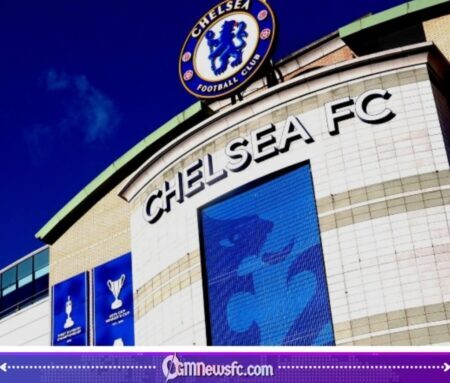
Chelsea FC has been handed a Premier League record fine of £10.75 million along with a suspended transfer ban, following revelations that the club made secret payments to unregistered agents and third parties during transfers between 2011 and 2018. The sanctions, announced this week, represent the largest financial punishment in Premier League history.
The Fine That Broke the Record
Chelsea’s £10.75 million fine eclipses the previous largest Premier League fine of £5.5 million handed to West Ham in 2007. The hefty penalty comes after the Premier League found that the club had failed to disclose payments during a number of high-profile transfers, including players like Eden Hazard, Willian, Nemanja Matić, and David Luiz.
The club also agreed to pay the Premier League’s investigation costs, ensuring that the league doesn’t have to dip into its own treasury. While £10.75 million might seem like small change in today’s football economy, the symbolic value of a record fine sends a clear message: even big clubs are not above the rules.
The Suspended Transfer Ban
Alongside the fine, Chelsea received a one-year first-team transfer ban, but the twist is that it’s suspended for two years. This means the ban will only be enforced if Chelsea breach Premier League rules again. In addition, the club faces a nine-month academy transfer ban, preventing certain youth registrations from other clubs.
Experts have noted that these suspended sanctions are “gentle nudges” rather than heavy-handed punishment. Chelsea’s current owners, Todd Boehly and Clearlake Capital, reportedly cooperated fully with the Premier League investigation, which may explain why the club avoided a points deduction or immediate sporting restrictions.
Secret Payments and Rule Breaches
The infractions cover a range of rule breaches, primarily Financial Reporting, Third-Party Investment, and Youth Development Rules. Chelsea admitted to undisclosed payments to agents and third parties, which were not reported to the Premier League.
While some fans joke that Chelsea’s money seems to have “a mind of its own,” the serious implication is clear: failing to report financial dealings undermines the transparency and fairness of the transfer system. The league stressed that self-reporting by the club helped mitigate harsher penalties, reinforcing the idea that honesty can save a few million pounds and potential points on the table.
Why Some Call It Lenient
Many analysts argue that the sanctions were relatively light, considering the scale of undisclosed payments, which are estimated to total tens of millions of pounds. By avoiding a points deduction, Chelsea keeps their Premier League status intact, leaving fans to joke that the club may have “learned nothing… but at least didn’t lose any matches.”
The Premier League’s decision highlights a balancing act between punishing historical misconduct and acknowledging cooperation from current management. Chelsea will now have two years of suspended scrutiny hovering over their transfer strategy, ensuring that the club plays by the rules—or faces real consequences.
Looking Ahead
Chelsea’s next few transfer windows will be closely watched. The suspended ban is essentially a warning: one misstep and they could be barred from signing first-team players for a year. The FA also has a separate investigation ongoing, meaning Chelsea could still face additional sanctions in the future.
Meanwhile, supporters can expect cheeky headlines, memes, and tweets about the club’s “secret agent fund,” as football social media prepares for weeks of jokes and speculation.