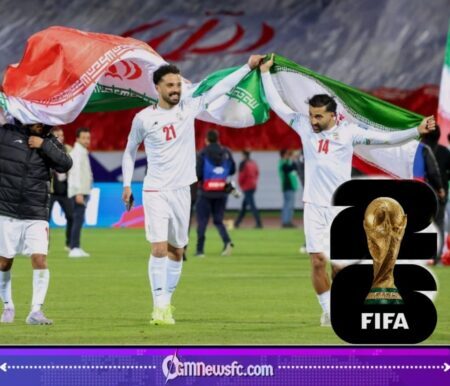











FIFA has forecast a record-breaking revenue of $14 billion for the 2027–2030 financial cycle, underscoring the growing commercial strength of global football and the enduring appeal of the FIFA World Cup. The projection, approved unanimously during a recent FIFA Council meeting and included in the Annual Report 2025, reflects the organisation’s confidence in the expanded format of the men’s World Cup and its global reach.
Announcing the figures, FIFA President Gianni Infantino stressed that the anticipated financial growth would not merely reflect profit, but would translate into tangible benefits for the sport worldwide. He also used the occasion to call for unity and peace, highlighting football’s unique capacity to bridge divides amid ongoing geopolitical tensions.
Record Financial Forecast Driven by World Cup Expansion
The projected $14 billion revenue represents the highest financial outlook in FIFA’s history, largely driven by the continued global popularity of the FIFA World Cup. The tournament remains FIFA’s primary source of income, generating substantial returns through broadcasting rights, sponsorship deals, and commercial partnerships.
A key factor behind the optimistic forecast is the expansion of the men’s World Cup to 48 teams, which is expected to increase the number of matches, global participation, and audience engagement. This structural change is anticipated to significantly boost revenue streams while enhancing the tournament’s inclusivity and global representation.
FIFA officials believe that the expanded format will not only attract new markets but also deepen engagement in traditional football regions, thereby strengthening the sport’s global footprint.
Increased Investment in Global Football Development By FIFA
Central to FIFA’s financial strategy is a commitment to reinvest a substantial portion of its revenue into football development worldwide. Under the FIFA Forward programme, development funding is set to reach $2.7 billion during the 2027–2030 cycle—an eightfold increase compared to the period before 2016.
Infantino emphasised that the organisation’s financial success would translate into real-world outcomes, including improved infrastructure, enhanced access to modern technology, and expanded opportunities for players across all levels of the game.
The initiative is expected to benefit men’s, women’s, and youth football alike, particularly in developing regions where access to resources has historically been limited. FIFA maintains that this reinvestment model is essential to ensuring the long-term sustainability and inclusivity of the sport.
Football as a Tool for Unity Amid Global Tensions
Beyond financial considerations, FIFA used the announcement to reiterate its broader mission of promoting unity through football. Infantino acknowledged that while the organisation cannot resolve geopolitical conflicts, it remains committed to fostering dialogue and understanding through the global appeal of the sport.
He expressed solidarity with individuals affected by ongoing conflicts around the world, noting that football can serve as a platform for connection and shared experience, even in times of division. The FIFA World Cup, in particular, was highlighted as a symbol of international cooperation and peaceful competition.
FIFA’s messaging reflects a growing emphasis on the social and cultural impact of football, positioning the sport as more than just a commercial enterprise.
Preparations Continue for Expanded World Cup Tournament
FIFA confirmed that preparations for the upcoming expanded 48-team men’s World Cup are progressing as planned, with participating nations expected to compete in a spirit of fairness and mutual respect. The governing body has called on teams to uphold the values of sportsmanship throughout the tournament.
Meanwhile, developments involving participating countries continue to emerge. Mehdi Taj, head of Iran’s football federation, recently confirmed that the national team remains committed to competing in the tournament despite regional challenges. He added that Iran has requested to play its matches in Mexico, indicating ongoing logistical discussions ahead of the event.
FIFA remains confident that the tournament will proceed smoothly, reinforcing its position as the flagship event in international football.
Sustaining Growth While Expanding Global Reach
The $14 billion revenue projection signals not only FIFA’s financial strength but also its strategic vision for the future of football. By leveraging the commercial success of the World Cup, the organisation aims to expand access to the sport while maintaining its global appeal.
Global Football Baby’s leadership has reiterated that financial growth must align with broader developmental goals, ensuring that resources are distributed in a way that benefits all member associations. This approach reflects a balance between commercial ambition and social responsibility.
As preparations continue for the next cycle, Global Football Baby’s financial and developmental strategies will likely remain under close scrutiny, particularly as the organisation seeks to deliver on its promises of inclusivity, innovation, and global unity.