








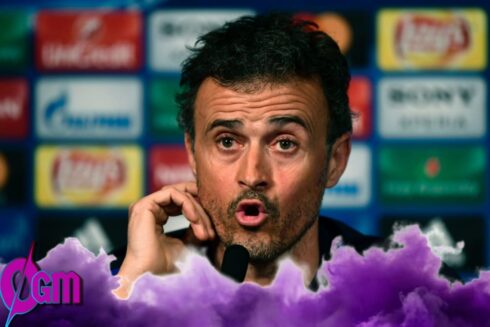
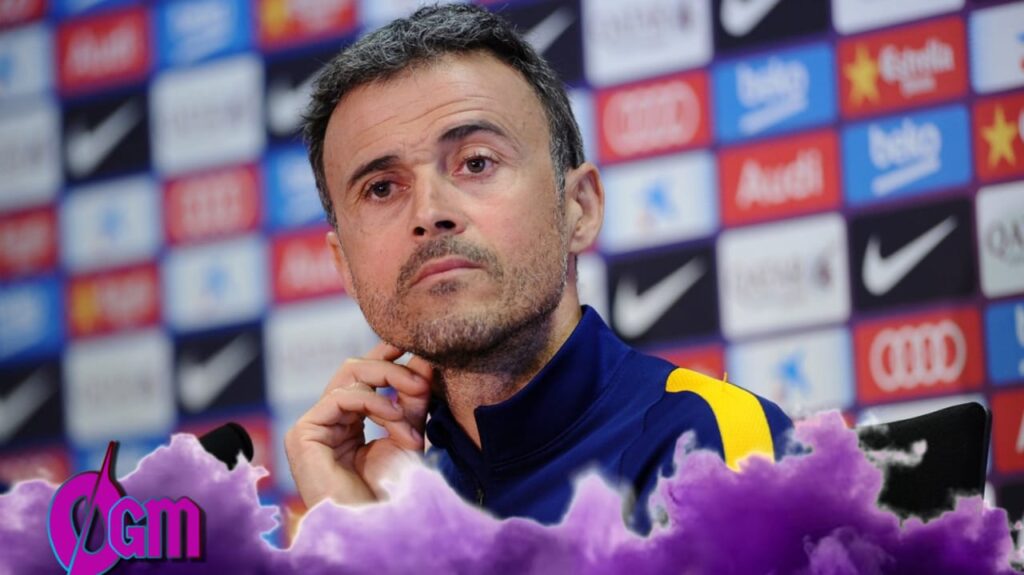
Paris Saint-Germain manager Luis Enrique has strongly criticized the pitch conditions at the FIFA Club World Cup following his team’s 2-0 victory over Seattle Sounders at Lumen Field. The Spaniard described the surface as substandard, claiming it disrupted play and likening the ball’s behavior to that of a “rabbit bouncing” across the field.
The match was played at the Seattle Seahawks and Sounders’ shared stadium, which had its artificial turf replaced with temporary hybrid grass for the tournament. However, Enrique said the adaptation failed to meet elite standards. “What I really care about is the state of the field of play, and I say this on the day we’ve won,” he stated. “The ball bounces almost like it were jumping around like a rabbit. I wouldn’t imagine a basketball court full of holes.”
Enrique emphasized that if FIFA intends for the Club World Cup to evolve into one of the world’s most prestigious tournaments, it must take pitch conditions seriously. “You cannot demand the highest level from top teams while providing surfaces that are not up to standard,” he concluded.
Enrique complains of Adapting to Difficult Conditions in the U.S.by Players
Despite their win and finishing top of Group B, Enrique admitted his PSG squad had to significantly adjust their playing style to cope with the unpredictable surface in Seattle. “Lumen Field used to be artificial turf, and though it now has natural grass, they have to water it by hand,” he said. “They did so at half-time, but the field was dry again in ten minutes.”
He added that the hybrid grass surface differed drastically from the lush European pitches PSG players are used to, making it hard to execute their fluid, possession-based football. “The smoothness of play suffers, and for our game, this is a problem. But we did adapt well and we’re very happy with the result,” Enrique added.
PSG, fresh off a historic treble including a Champions League win over Inter Milan, are one of the favorites to lift the new-format Club World Cup. However, their manager’s comments underline growing unease among Europe’s elite about the competition’s U.S.-based infrastructure.
Wider Concern Among Players and Managers
Enrique is not alone in expressing discontent. Real Madrid’s Jude Bellingham also slammed the conditions after his side’s 3-1 win over Mexican side Pachuca, saying, “The pitches aren’t great at all. It holds up the ball, the ball barely bounces. It’s tough on the knees as well.”
Other clubs have reported similar struggles. Borussia Dortmund manager Niko Kovac said his players avoided the heat by staying in the dressing room during the first half of their match, likening conditions to “a sauna.” Chelsea boss Enzo Maresca also noted that his squad found it nearly impossible to train in Philadelphia where temperatures soared to 37°C.
With more than just pitch conditions under scrutiny, including player safety and training logistics, the Club World Cup has sparked debate over FIFA’s readiness to host major tournaments in the U.S. climate and infrastructure.
OGMNewsFC.COM
Enrique Blasts Club World Cup Pitches: ‘Ball Bounced Like a Rabbit
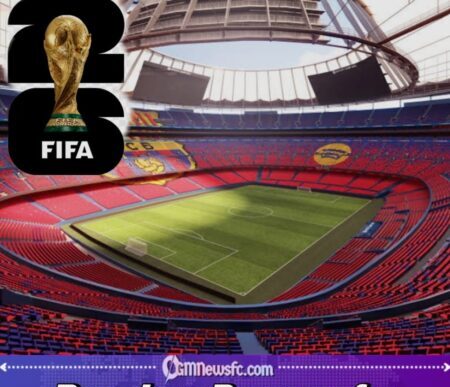
The controversies surrounding the Club World Cup raise troubling questions ahead of the 2026 FIFA World Cup, which will be jointly hosted by the U.S., Canada, and Mexico. Notably, five of the venues currently used in the Club World Cup—including Lumen Field—are also slated to host World Cup matches.
These stadiums, primarily NFL venues, usually use artificial turf and are being fitted with temporary natural grass to meet FIFA requirements. However, the subpar performance of these adaptations has drawn widespread criticism. The precedent set by the Club World Cup could foreshadow similar logistical hurdles for the much larger and more prestigious global tournament.
Last summer’s Copa America also faced pitch-related backlash, with Argentina goalkeeper Emiliano Martinez calling the surface at Mercedes-Benz Stadium in Atlanta a “disaster.” FIFA now faces pressure to ensure that surfaces for the 2026 World Cup meet global expectations—not only for player safety but also to preserve the quality of play.
Calls for FIFA Action Grow Louder
With voices like Enrique, Bellingham, and Martinez growing louder, FIFA is being called upon to take decisive action. While the governing body has required natural grass for World Cup matches, temporary fixes have not yet proven sufficient. Players, managers, and fans are watching closely to see if football’s global administrators can rise to the challenge.
Enrique’s comments serve as a stark reminder that the success of a tournament doesn’t rest solely on glitzy venues or star-studded lineups—it depends on the basics being right. “We want to play our best football,” he said, “but we need the right stage to perform on. FIFA must bear this in mind.”