









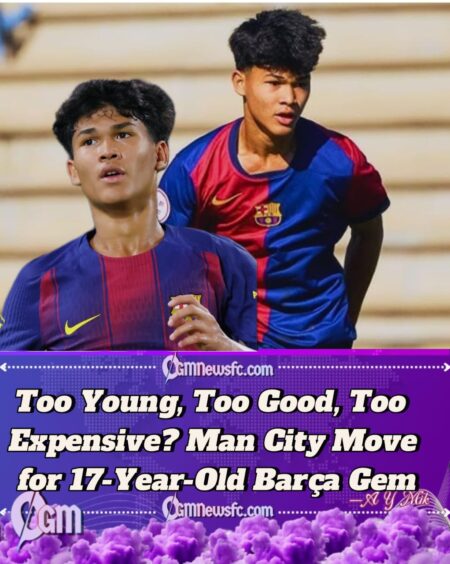
Manchester City’s transfer radar has once again locked onto Barcelona, and this time the target is not a finished superstar but a 17-year-old promise fresh out of La Masia. Reports indicate that the Premier League champions have tabled a €25 million offer for teenage attacking midfielder Pedro Fernández, popularly known as “Dro”, triggering fresh debate about Barcelona’s ability to protect its brightest academy talents.
For Barcelona, the interest is flattering—and troubling in equal measure. For Manchester City, it is another calculated gamble on youth. And for Dro himself, it is the kind of attention that arrives early, loud, and life-altering, even before the ink on his breakout season has properly dried.
A Breakout Season That Turned Heads Quickly
Pedro “Dro” Fernández has wasted little time announcing himself at the highest level. Promoted from Barcelona’s famed La Masia academy, the teenage midfielder has made five first-team appearances in the 2025/26 season, contributing one assist and a steady stream of composed performances well beyond his years.
What has impressed coaches and scouts alike is not just the statistics—modest but promising—but the manner of his play. Dro moves between lines with ease, demands the ball under pressure, and shows the kind of positional intelligence usually learned through years of top-flight experience. In short, he looks comfortable where most teenagers would look cautious.
Barcelona’s coaching staff have rewarded that maturity with minutes, and the message was clear: Dro is not just a youth prospect filling a squad gap; he is a player being quietly tested for a long-term role.
Why Manchester City Are Interested (Again)
Manchester City’s fascination with elite young talent is hardly new, and their interest in Dro fits neatly into a familiar pattern. The club has built a reputation for identifying high-ceiling players early, securing them before market inflation turns potential into financial impossibility.
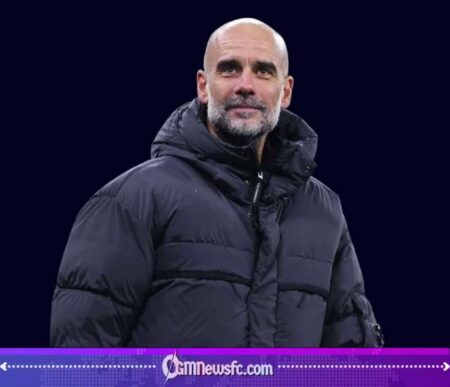
Sources suggest Manchester City view Dro as a strategic investment rather than an immediate starter. The proposed plan reportedly includes signing the teenager and loaning him out for regular first-team football, allowing him to develop physically and tactically before eventually entering Pep Guardiola’s rotation.
For Guardiola—a coach who values technical midfielders almost as much as trophies—Dro’s La Masia schooling, close control, and spatial awareness make him an especially tempting project.
Barcelona’s Financial Dilemma: Cash Now or Control Later?
Barcelona’s response to the reported €25 million offer is complicated by more than footballing logic. Financial pressures continue to shadow the club, and such an offer for a teenager represents significant immediate relief in a market where cash flow often dictates policy.
Yet history looms large. Barcelona have seen academy talents flourish elsewhere after early departures, a pattern the club is desperate not to repeat. Internally, Dro is viewed as part of a new generation meant to restore Barcelona’s identity: technical, homegrown, and fearless.
Selling now could bring balance-sheet comfort. Holding firm could protect the club’s long-term footballing soul. It is the kind of decision that rarely looks wrong immediately—and often looks painful later.
A Teenager at the Center of a Grown-Up Transfer Storm
For Dro himself, the situation is as surreal as it is serious. At 17, he is navigating first-team football, national attention, and now Premier League interest carrying a €25 million price tag. Such figures can distort perspective, but those close to the player insist his focus remains firmly on football.
Barcelona have attempted to shield him from the noise, emphasizing development over distraction. Manchester City, meanwhile, are playing the long game—patient, persuasive, and well-resourced.
Whether Dro stays to grow at Camp Nou or begins a new chapter abroad, one thing is already certain: this will not be the last major decision of his career—it is merely the first.
What Happens Next in the Dro Saga?
Barcelona are under no immediate obligation to sell, and negotiations—if they progress—are expected to be deliberate rather than rushed. Manchester City may increase pressure, other Premier League clubs could join the race, and Barcelona may counter with contract protection rather than a transfer.
For now, Dro remains a Barcelona player, a La Masia graduate living the academy dream. But in modern football, dreams are often accompanied by bids, clauses, and spreadsheets.
And somewhere between youth football purity and elite-level pragmatism, a 17-year-old midfielder waits to see how expensive potential can truly become.