






Manchester United has sparked outrage among its fanbase following the announcement of a dramatic increase in matchday ticket prices for the upcoming season. Under the new pricing model, the highest-priced ticket for a single Premier League game at Old Trafford will soar to £97—up from a peak of £66 last season.
The club, which suffered its worst domestic campaign since being relegated in the 1973–74 season, has introduced a new categorisation system for the approximately 20,000 matchday tickets available for each home game. The four-tier structure classifies matches based on perceived demand and opponent prestige, with Category A games—including Arsenal, Chelsea, Liverpool, Manchester City, Newcastle, and Tottenham—attracting the highest charges. In contrast, only two Category C matches, against Sunderland and Wolves, will offer a lower-tier ticket at £37.
Manchester United officials insist that less than 1% of tickets will reach the £97 ceiling and that the prices were revised downward from an even higher initial proposal following internal discussions. But the measure has nonetheless triggered a fierce backlash from fans who view the changes as out of touch with the club’s current sporting reality.
Manchester United Supporters’ Fury: “A Fresh Kick in the Teeth”
The Manchester United Supporters Trust (MUST) has led a strong rebuke against the club’s decision, describing the move as “a fresh kick in the teeth” for loyal fans. Their frustration is rooted in what they see as a disconnect between the club’s pricing policies and its recent performance on the pitch.
“After how last season went, we might have hoped the club would reconsider their plans for this new ticketing model which will see eye-watering price increases for supporters who buy tickets on a match-by-match basis,” MUST said in a statement. The group went on to denounce the lack of meaningful consultation, claiming Manchester United has once again bypassed fan representation in the decision-making process.
MUST argued that instead of prioritising affordability and accessibility, the club has chosen to ignore its struggling fanbase, many of whom remained vocal and present despite the team’s poor performance. “What Manchester United needs next season is a united fanbase and club… This match categorisation model will do enormous harm and undermine the atmosphere in the ground in a season when the team will need it more than ever,” the group added.
Manchester United Justifies Price Hike Amid Financial Pressures
Despite the backlash, Manchester United’s leadership remains resolute in defending the price hike. Club officials point out that the categorisation system is already standard practice among Premier League rivals. They argue that balancing the books in an increasingly competitive football economy requires maximising all revenue streams, including matchday income.
In a recent interview with Manchester United We Stand, chief executive Omar Berrada admitted that last season’s abrupt implementation of a flat £66 ticket price—later scrapped—was “not good” and handled poorly. However, he maintained that the current model is a necessary financial strategy and that efforts were made to reduce the highest price band after internal feedback.
The club also contends that compared to other Premier League sides, their new highest ticket price is not the most extreme. According to Football Fancast, Fulham topped the chart last season with a £160 matchday ticket, with three other clubs exceeding United’s new £97 maximum. Nonetheless, the justification has done little to quell growing unrest.
OGMNewsFC.COM
Kick in the Teeth”: Fans Rage as United Unveil New Ticket Pricing Model
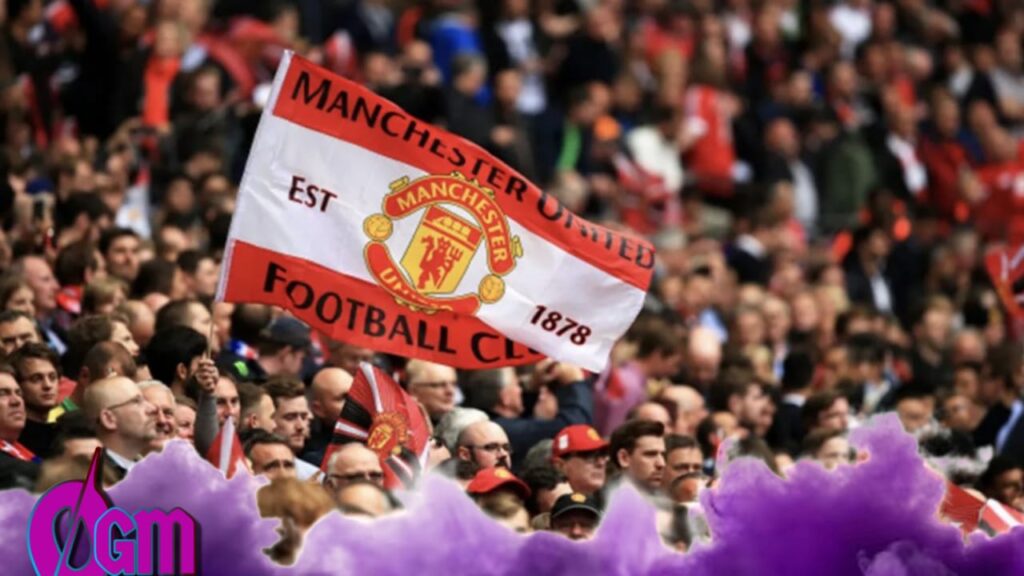
The timing of the price revision has amplified fan frustrations. Manchester United finished 15th last season—their lowest finish in over five decades—leaving fans disillusioned and seeking signs of humility and reform from club leadership. Instead, they were met with a pricing model that seems to reward underperformance with higher costs for supporters.
Adding salt to the wound, head coach Ruben Amorim had just appealed to fans to “stick together” with the team in the aftermath of the dismal season, urging unity for a successful rebuild. However, many now fear that the new ticketing model could fracture fan support and discourage vocal matchday backing, particularly among working-class supporters and those unable to afford rising costs.
Season ticket holders are somewhat shielded from the highest prices, but match-by-match buyers—often including casual fans, tourists, and those on tighter budgets—will bear the brunt. The concern is that this will price out a vital segment of United’s traditional fanbase, impacting the vibrancy and diversity of the matchday crowd.
Call for Change and Meaningful Engagement
The backlash has reignited calls for the club to rethink its approach to fan engagement and ticket affordability. MUST and other supporter groups are demanding transparency, t
rue consultation, and a more equitable ticketing model that reflects the economic challenges faced by fans and the club’s own turbulent performance.
“Once again, they’re making choices against the interests of fans and, we believe, the club as a whole,” MUST said. “What Manchester United need right now is a groundswell of support, not a pricing policy that alienates the very people who can provide it.”
For now, the rift between fans and the Manchester United hierarchy appears to be widening. As the new season approaches, the question remains whether the board will choose to double down on its financial strategy or listen to the swelling chorus of discontent from the terraces of Old Trafford.