







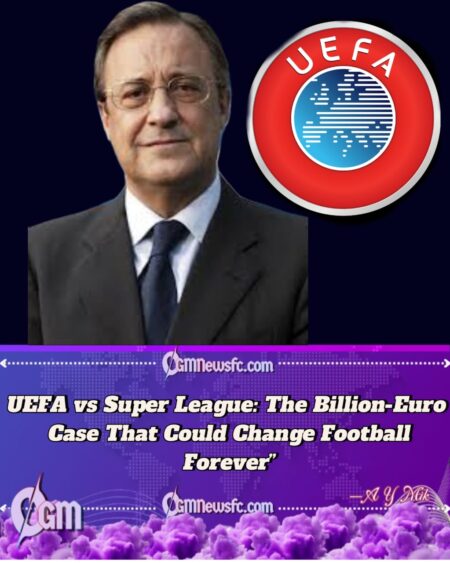
The long-running football beef between the Super League promoters and UEFA has officially moved from the pitch to the courtroom. A22 Sports Management, the company pushing the Super League idea like a stubborn winger refusing to pass the ball, has launched a multi-billion-euro legal assault on UEFA. The accusation? That UEFA has been acting like a football monopoly boss, blocking new competitions and choking alternative tournaments before they can even warm up.
The company says UEFA’s “you-can’t-play-that-competition” approach violates EU competition laws, especially after the 2023 CJEU ruling that declared certain UEFA/FIFA approval rules incompatible with European competition rules. In other words, the Super League people believe the law finally gave them a green light — and they are sprinting through it with the energy of a 90th-minute counterattack.
But UEFA? Calm. Confident. Borderline unbothered. Europe’s football governing body insists the court rulings haven’t handed victory to the Super League and that its updated rules remain perfectly legal. Translation: “We’re still in charge, thank you.”
Real Madrid Joins the Legal Dribble
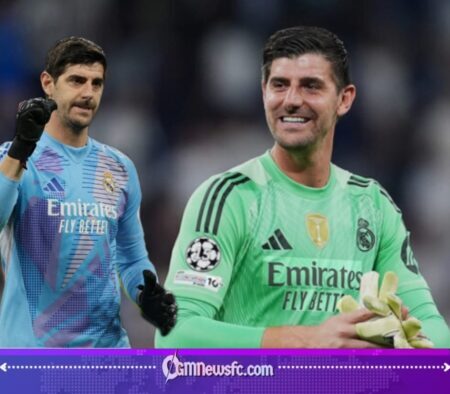
Like a striker watching a juicy loose ball in the box, Real Madrid quickly stepped forward to say they too will file their own lawsuit. Club president Florentino Pérez confirmed that Madrid is seeking compensation for what it calls “years of anti-competitive obstruction.” And when Real Madrid wants something, they usually get it — ask any Champions League back-to-back-to-back-to-back victim.
Reports from Spain indicate the club’s damages claim is expected to add billions more to the legal scoreboard. Combined with A22’s filing, the total could soar past €4.5 billion, a number large enough to make even oil-rich football clubs adjust their calculators.
Whether you love or hate Real Madrid’s role in the Super League drama, one thing is clear: the club is not backing down. If UEFA thought this saga was slowing down, Pérez just sent a polite reminder — “we’re still here, and we brought lawyers.”
The Legal Grounds: Monopoly or Just Football Governance?
At the heart of the lawsuit is the argument that UEFA has long held an unfair monopoly over international club competitions. A22 claims UEFA essentially acts as “referee, goalkeeper, striker, and VAR at the same time,” controlling who gets to organize tournaments and under what rules. They say this has blocked innovation, reduced revenue for clubs, and violated basic EU free-competition principles.
UEFA, however, maintains that its structure is necessary for protecting football integrity. If every rich club wakes up tomorrow and creates its own private competition, the entire European football pyramid could implode. Think of it like traffic laws — if everyone follows their own rules, sooner or later, Lagos-style traffic will swallow the streets of Europe too.
The courts will now have the job of deciding whether UEFA’s system is a protective structure or a financial chokehold. Whichever way the decision swings, the impact will reshape European football for decades.
A22 Claims “Huge Financial Losses” — UEFA Says “Prove It”
The damages demand from A22 is based on what it claims are massive financial losses over years of blocked opportunities. These include broadcasting revenue, commercial partnerships, and competition rights that the Super League says were strangled before they could even breathe.
UEFA’s reply is essentially: “Where’s the evidence?” Governing bodies argue that hypothetical profits from a competition that never existed cannot simply be converted into billions in compensation. If that logic were legal, every fan whose club lost a Champions League final could also sue UEFA for emotional damages.
Legal experts expect a long battle filled with economic models, projected revenue charts, and enough spreadsheets to make an accountant break into applause.
What This Means for European Football
If A22 and Real Madrid win, the verdict could shatter UEFA’s exclusive control over European competitions. New tournaments — good, bad, and bizarre — could pop up like new streaming platforms. Fans might soon have to remember more acronyms than they already do: UCL, UEL, UECL… now maybe USL, ESL 2.0, or who-knows-what.
On the flip side, a court victory for UEFA would reinforce its authority and keep European football in a centralized, controlled structure. Clubs would keep complaining, but nothing structural would change. Football unions, federations, and UEFA executives would breathe easier.
Whatever happens, fans should prepare for turbulence. Court rulings may soon reshape how European football is played, structured, and funded — and unlike VAR reviews, this one won’t be decided in two minutes.
Public and Club Reactions: Excitement, Fear, and Memes
Rival fans — especially those whose clubs never supported the Super League — are already cooking jokes online. One trending comment described the lawsuit as “Real Madrid trying to fund Mbappé’s younger cousin in 2040.” Meanwhile, fans of big clubs smell opportunity: more money, new competitions, fewer UEFA bureaucracy tangoes.
Smaller clubs remain cautious. Many worry that a fractured European structure could widen the gap between the richest clubs and everyone else. They remember the 2021 backlash and believe a Super League revival — even a legally enforced one — could destabilize the football pyramid.
But the funniest reaction? Someone suggested that if this lawsuit succeeds, A22 should immediately file a second one demanding compensation for all the memes made about the Super League since 2021.
What Happens Next?
The case is still in early stages. A22 has formally notified UEFA, and Real Madrid is preparing its own filing. The Spanish courts will begin the first review, but experts believe the battle may eventually rise all the way to the EU Court — meaning this legal derby might drag on longer than a transfer saga involving Manchester United.
For now, UEFA is reviewing the recent rulings while insisting it remains the primary guardian of European football. A22 and Madrid, on the other hand, are pushing to redefine the structure entirely. No matter who wins, one thing is certain: European football is officially in the courtroom era.