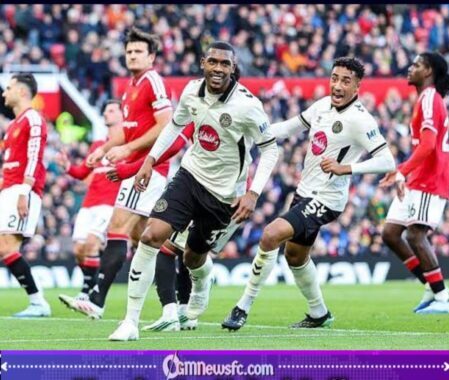











Arsenal manager Mikel Arteta struck a tone of calm satisfaction after his side secured a positive result, making it clear that while there was room for improvement, the primary objective had been achieved. “We’re very happy with the result,” Arteta said, reflecting a manager focused on outcomes without losing sight of performance details.
His remarks suggested relief rather than celebration. In a season where margins matter, Arteta emphasized the importance of securing points even when the performance is not perfectly clinical. The satisfaction, he implied, stemmed from control, discipline, and game management rather than the scoreline alone.
Missed Chances That Did Not Define the Game
Mikel Arteta acknowledged that Arsenal had opportunities to put the match beyond doubt. “We had two more chances to get ahead; we didn’t,” he admitted, offering an honest assessment of moments where sharper execution could have altered the narrative.
However, the manager was quick to contextualize those missed chances. Rather than dwelling on inefficiency, Arteta framed them as signs of a team consistently creating opportunities. In his view, the ability to generate chances is a more reliable long-term indicator than converting every opening on a given day.
Control, Structure, and Tactical Discipline
Beyond goals, Mikel Arteta highlighted the structural aspects of Arsenal’s performance. The team maintained shape, limited opposition threats, and managed transitions with maturity—traits that have become hallmarks of his tenure.
This control allowed Arsenal to dictate tempo and avoid unnecessary chaos. Even when additional goals failed to materialize, the underlying organization ensured that the result was rarely in serious danger, reinforcing Arteta’s confidence in the overall display.
The Emirates Atmosphere and Collective Responsibility
Playing at the Emirates Stadium, Arsenal once again benefited from strong home support. The crowd’s response mirrored Arteta’s outlook—encouraging rather than anxious, appreciative of the work rate and composure shown by the players.
Mikel Arteta has consistently stressed collective responsibility, and this match was no exception. From defensive solidity to attacking movement, the manager viewed the performance as a team effort, not one defined by individual brilliance or frustration over missed chances.
Results First as the Season Pressure Builds
As expectations rise around Arsenal, Mikel Arteta’s comments underline a pragmatic shift. While style and fluency remain important, results increasingly take precedence in high-stakes phases of the campaign.
His satisfaction reflects an understanding of context. In tightly contested competitions, grinding out results—even imperfectly—often separates contenders from also-rans. Arteta’s calm demeanor signals belief that efficiency will improve without sacrificing stability.
Arteta’s Broader Message to Players and Supporters
Ultimately, Mikel Arteta’s post-match assessment carried a broader message: progress is not linear, and perfection is not required every week. What matters is consistency, resilience, and the capacity to win even when chances go unfinished.
By expressing happiness alongside mild critique, Arteta reinforced standards without creating tension. It is a leadership balance he has refined at Arsenal—demanding improvement while publicly backing his players as the season continues to unfold.