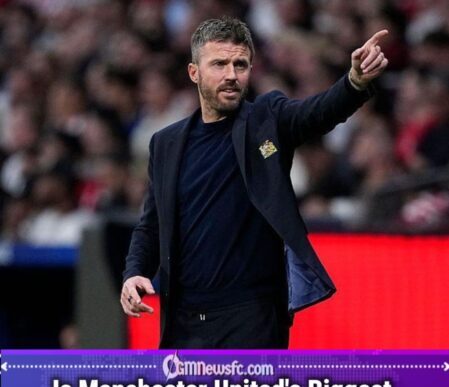








Liam Rosenior has delivered a firm and composed message during a challenging period, insisting that everyone at Chelsea FC remains united, regardless of whether the club secures Champions League qualification. His statement highlights a strong sense of alignment within the club, even as external pressure continues to build.
Rosenior’s comments reflect a deliberate attempt to steady the atmosphere around the team. By stressing unity between the board, coaching staff, and players, he is projecting stability at a time when results have raised concerns. His focus is clear: the club’s direction is based on long-term planning, not short-term reactions.
At its core, this message is designed to reassure both supporters and stakeholders. In a football environment often driven by immediate success, Rosenior is emphasizing that Chelsea are committed to a broader vision that goes beyond a single season.
Poor Results Increase the Pressure
Despite the calm tone from the manager, Chelsea’s recent performances have created serious concern. A series of disappointing results has left the team outside the Champions League places and struggling to maintain consistency.
Key matches have exposed weaknesses in both attack and defence, with the team failing to take chances and maintain control in important moments. These issues have led to growing frustration among supporters, who expect higher standards from a club of Chelsea’s stature.
For Rosenior, this creates a difficult situation. While he continues to speak about long-term goals, the immediate need for improved results cannot be ignored. In top-level football, patience is limited, and results often determine how long a project is allowed to continue.
Champions League Qualification in Doubt
The possibility of missing out on Champions League football has become a major concern for Chelsea. Failing to qualify would not only affect the club’s position in Europe but could also impact its ability to attract top players.
The Champions League is seen as a key factor in maintaining competitiveness at the highest level. Without it, Chelsea may face challenges in competing with Europe’s elite clubs both on and off the pitch. This adds further importance to the current situation.
However, Rosenior has tried to shift focus away from immediate qualification concerns. His comments suggest that while Champions League football is important, it is not the only measure of success. The club, he insists, is building for the future.
Support from Ownership Remains Strong
A key part of Rosenior’s confidence comes from his relationship with the club’s ownership. He has made it clear that he continues to receive strong backing, even during this difficult run of form.
This support suggests that Chelsea’s leadership is committed to a long-term strategy rather than quick changes. The club appears willing to give Rosenior time to implement his ideas and develop the team properly.
However, such backing often depends on signs of progress. While the owners may remain supportive now, continued poor results could test that patience, especially if the team’s league position does not improve.
Building the Squad for the Future
Rosenior’s comments also highlight the importance of developing the squad over time. Chelsea’s team includes a mix of young players and experienced professionals, many of whom are still adapting to new systems and expectations.
Creating a balanced and consistent team takes time, and periods of inconsistency are often part of that process. Rosenior’s focus on alignment suggests that the club understands these challenges and is willing to work through them.
This approach reflects a modern football strategy, where success is built gradually through planning and stability. For Chelsea, the aim is to create a team capable of competing at the highest level over several seasons.
Alignment Must Lead to Results
While the message of unity is important, it does not remove the need for results. In football, performances on the pitch remain the most important factor in judging success.
As the season enters its final stage, the pressure on Rosenior and his players will only increase. Every match will carry greater importance, and the team must begin to turn performances into positive results.
Chelsea now face a crucial period. They must show that their long-term vision can produce immediate improvement. If they succeed, Rosenior’s message of alignment will be strengthened. If not, serious questions may arise about the direction of the club.