










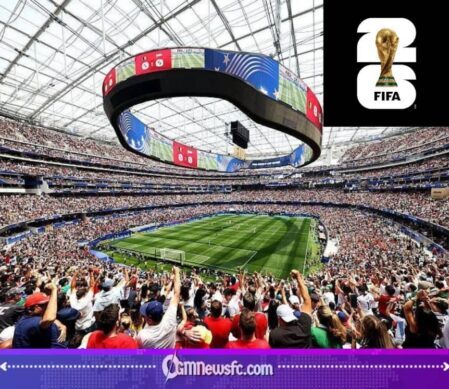
The Attendance story of the 2026 FIFA World Cup has become almost as entertaining as the football itself. While strikers chase the Golden Boot and goalkeepers collect clean sheets, millions of supporters have quietly stolen the spotlight by helping the tournament become the most-attended FIFA World Cup in history. It appears football fans collectively decided that if records were going to be broken, they might as well help carry the trophy.
Attendance Takes Centre Stage
The 2026 FIFA World Cup has officially surpassed 3.6 million spectators, breaking the previous all-time tournament attendance record established during the 1994 World Cup in the United States. The achievement comes before the competition has even concluded, meaning the final figure is expected to climb significantly higher. The expanded tournament, featuring 48 national teams and 104 matches across the United States, Canada and Mexico, has naturally created more opportunities for supporters to fill stadiums.
While FIFA celebrates another milestone, the achievement has arrived alongside lively debates. Some football observers argue that comparing total attendance across tournaments with different numbers of matches is not entirely straightforward. Others point out that stadium occupancy has remained exceptionally high, showing that demand for the tournament has remained strong despite concerns before kickoff. Even football’s most stubborn critics have struggled to explain away packed stadiums—unless they believe the seats started cheering on their own.
Attendance Beyond the Numbers
The record also highlights football’s remarkable ability to attract global audiences despite economic challenges. Reports throughout the tournament have noted that ticket prices, accommodation costs and travel expenses have reached historic levels, making this one of the most expensive World Cups for many travelling supporters. Even so, demand has remained remarkably resilient, with millions choosing to experience the tournament in person.
Beyond statistics, the tournament has showcased football’s cultural influence. Fan festivals, colourful celebrations and packed stadiums across host cities have reinforced the World Cup’s status as one of the world’s largest sporting events. Although discussions over tournament expansion, affordability and accessibility will continue long after the final whistle, the crowds have delivered a clear verdict: football remains a language spoken fluently by millions, regardless of nationality or accent.
As the knockout rounds continue, Attendance is expected to keep rising alongside the excitement. More records may still fall before a champion is crowned, but one title has already been secured. In a tournament filled with world-class stars, the biggest winner so far may well be the millions of supporters who proved once again that football’s greatest superpower is its ability to bring people together—provided they can first survive the ticket queue. OGM News FC will continue monitoring the tournament as history keeps finding new ways to fill every available seat.