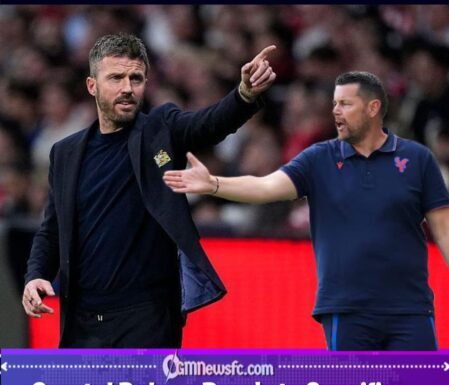







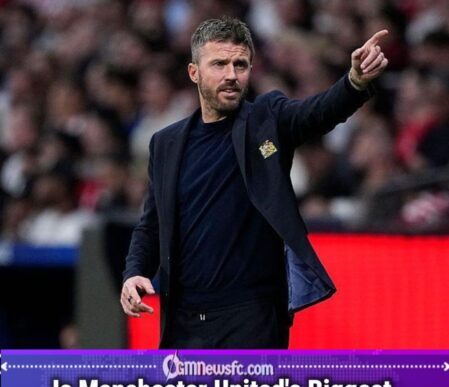
Michael Carrick has made his frustration unmistakably clear after Manchester United’s humiliating 4–1 defeat to Como, questioning the team’s commitment and intensity while insisting that his personal life remains deeply connected to the club. With the manager declaring, “I’m angry, to be honest. My whole life is wrapped around this,” the defeat has become more than a disappointing result. It has raised fresh questions about the players’ performances, the manager’s tactical decisions and the growing tension at Old Trafford. For Carrick, the problem is not simply about conceding goals; it is about what happens when players appear to forget that football requires running in both directions.
Carrick’s Anger Exposes Manchester United’s Painful Performance Problem
Carrick did not hide his disappointment after watching his team struggle against Como. His admission that he did not like what he saw reflected a manager who believes the performance fell below the standards expected of a club of Manchester United’s stature. He also made it clear that he had not given his own position any thought, preferring to concentrate on the team’s display rather than allow questions about his future to dominate the discussion. Apparently, Carrick had enough problems to deal with on the pitch without adding a personal employment review to the evening’s programme.
The manager’s strongest message concerned the players’ work rate. “If you don’t run forward and you don’t run back, you ain’t going to win,” he explained, delivering a footballing lesson that sounds simple enough to be printed on every dressing-room wall. Yet Manchester United’s performance suggested that some players may need more than motivational quotations to understand their responsibilities. In football, running without the ball can be just as important as running with it, and a team cannot expect to control a match when its players switch between attacking ambition and defensive disappearance. Carrick wants commitment, intensity and collective responsibility, not a squad that treats tracking back as an optional extra.
Tactical Disagreement and Dressing-Room Pressure Put Carrick Under the Spotlight
The defeat became even more uncomfortable when captain Bruno Fernandes appeared to question the team’s tactical approach. Fernandes suggested that Manchester United’s decision not to press Como aggressively had allowed their opponents too much space and confidence. Carrick responded by pointing out that the team had attempted a partial man-to-man press in the second half but still conceded a goal. His argument was that tactical systems alone cannot rescue a team when the players fail to execute their responsibilities. The exchange has placed both tactical planning and individual commitment under scrutiny, creating an uncomfortable situation in which the manager and captain have publicly highlighted different explanations for the same failure.
For Manchester United supporters, the bigger concern is whether the defeat represents another isolated setback or evidence of a deeper problem. Losing 4–1 to Como is damaging enough, but seeing the manager express anger while the captain questions tactical decisions makes the situation more troubling. Carrick has accepted responsibility for the overall performance and apologised to the travelling supporters, acknowledging that the display was unacceptable. Nevertheless, accountability cannot stop with the manager’s apology. The players must demonstrate that they understand the seriousness of the situation by responding on the pitch. Otherwise, Old Trafford could become a place where tactical debates, public frustration and disappointing results compete for attention while victories remain frustratingly difficult to find.
Ultimately, Carrick’s message is clear: Manchester United cannot expect to win consistently without effort, discipline and collective responsibility. His anger reflects the emotional weight of managing a club he considers central to his life, but passion alone will not repair the team’s problems. The next challenge is turning his words into performances that restore confidence among supporters and reduce the growing tension surrounding the squad. Will the players respond to their manager’s warning, or will the questions surrounding Carrick and his team’s commitment become even louder? Stay with OGM News FC for further updates as this Manchester United story develops.