










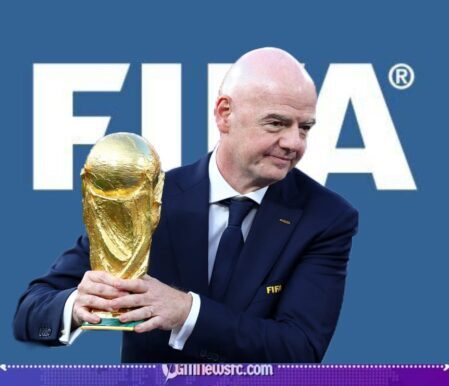
The world’s most popular sport has found itself in the middle of another dramatic boardroom battle after FIFA unveiled plans to create a new commercial company that could sell a significant stake in the commercial rights to the FIFA World Cup, the FIFA Women’s World Cup, and the Club World Cup to private investors. While FIFA insists the move will unlock billions of dollars for football development worldwide, critics have reacted with outrage, accusing the governing body of placing business interests ahead of the game’s traditions.
In true football fashion, the debate quickly shifted from tactics on the pitch to tactics in the boardroom. Supporters joked that if football keeps being packaged like a streaming service, fans may soon need subscriptions just to celebrate a goal. Behind the satire, however, lies a serious question: can football remain the people’s game while becoming an even bigger corporate enterprise?
A $20 Billion FIFA’s Vision Meets Fierce Resistance
FIFA says the proposed FIFA Forward Enterprise (FFE), developed with financial support from JP Morgan, would attract private investment worth billions while promising to redistribute more than $10 billion to its 211 member associations. FIFA President Gianni Infantino argues the initiative will strengthen football’s finances and ensure more resources reach developing nations and emerging football markets.
The proposal, however, has sparked immediate resistance from UEFA, several leading European clubs, and political figures who argue that football’s governance should never become a financial commodity. Critics insist that while investment can benefit the sport, handing commercial control to outside investors risks prioritizing profit over supporters, national associations, and the long-term integrity of global competitions.
Fans Wonder If the Trophy Comes With Shareholders
The controversy has inspired widespread satire across football communities, with supporters joking that the next World Cup draw could be sponsored by investment portfolios instead of football legends. Others humorously questioned whether future refereeing decisions might come with quarterly earnings reports attached. Beneath the jokes, many fans remain genuinely concerned about transparency and accountability should private investors gain influence over football’s biggest tournaments.
The debate also arrives as FIFA continues expanding the commercial value of its competitions following the highly lucrative World Cup hosted by the United States, Canada and Mexico. With football generating record revenues, the governing body believes the sport has entered a new financial era. Yet opponents argue that football’s greatest strength has always been its emotional connection with supporters rather than its balance sheet, warning that commercial growth should never come at the expense of the game’s identity.
Whether FIFA’s ambitious proposal becomes a financial masterstroke or a historic own goal will ultimately depend on approval from its member associations and the outcome of growing opposition from football stakeholders. For now, the world’s most popular sport finds itself balancing enormous commercial opportunity against fierce concerns about its future identity. OGM News FC will continue monitoring developments as this story unfolds.