









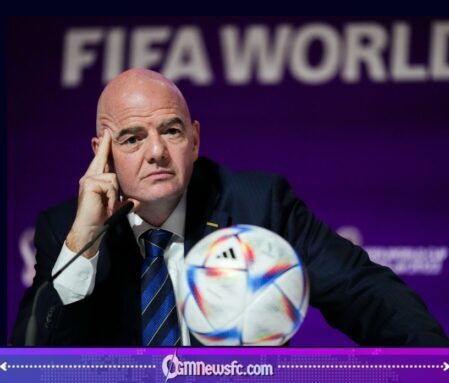
The words Infantino and Governance have once again become central to football’s global conversation as FIFA President Gianni Infantino faces mounting criticism from current and former football officials. While FIFA continues celebrating record revenues, larger tournaments, and expanding influence, critics insist that the sport’s governing body is becoming increasingly centralized around one of the most powerful figures football has ever produced. The question now circulating through boardrooms, dressing rooms, and supporters’ forums alike is whether FIFA’s rapid growth is strengthening the game—or quietly testing its limits.
Governance Debate Grows as FIFA Expands Global Tournaments
The latest criticism centers on allegations that decision-making inside FIFA has become heavily concentrated under Infantino’s leadership. Former associates who once praised his administrative skills during his UEFA years now claim that major decisions increasingly require approval from the top, creating a culture where caution often replaces debate. FIFA has disputed such characterizations and continues to defend its governance structures.
The Governance debate arrives as FIFA doubles down on tournament expansion. The men’s World Cup has grown to 48 teams, while the Club World Cup has undergone a dramatic transformation into a larger global event. Supporters view these changes as evidence of football’s worldwide growth and point to billions in projected revenues and increased investment in national federations. Critics, meanwhile, argue that football’s calendar now resembles a suitcase that keeps receiving extra clothes despite already refusing to close. Player welfare groups and football unions have repeatedly expressed concerns that expansion risks placing commercial priorities ahead of athletes’ physical and mental well-being.
Football Officials Divided Over FIFA’s Direction Under Infantino
The broader controversy surrounding Infantino extends beyond tournament formats. Recent reporting has highlighted criticism of his close relationships with political leaders, including current U.S. President Donald J. Trump, as FIFA prepares for major competitions across North America. Defenders argue that organizing global sporting events requires engagement with governments and influential stakeholders. Critics counter that such relationships risk blurring the line between football administration and political theater.
Additional scrutiny has emerged from debates surrounding ticket pricing, tournament accessibility, and fan engagement. During the current World Cup cycle, concerns over expensive tickets and visible empty seats at some matches have intensified criticism of FIFA’s commercial strategy. Infantino has defended the pricing model, arguing that revenues help fund football development around the world, while critics contend that football’s global appeal should not come with premium barriers that leave seats unoccupied and supporters frustrated.
For now, Infantino remains firmly in command of world football’s most influential institution, and FIFA continues to report substantial commercial success. Yet the continuing arguments over Governance, player welfare, political relationships, and tournament expansion suggest that football’s future direction remains far from settled. As FIFA prepares for the next phase of its global growth strategy, OGM News FC will continue monitoring whether the governing body’s expanding empire ultimately strengthens the sport—or simply gives football more meetings than matches.