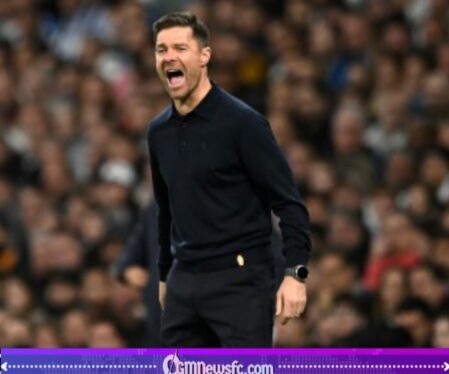










Manchester City’s reputation as one of Europe’s most sophisticated footballing machines is facing an uncomfortable examination, with the team’s trademark slick passing, attacking intensity and positional discipline increasingly giving way to slow, predictable and frustrating performances. What once looked like a smooth transition into the Enzo Maresca era is beginning to resemble a machine desperately searching for its missing parts. The warning signs have become difficult to ignore following a disappointing 2-2 Champions League draw against Napoli, where Rayan Cherki’s late intervention rescued a point but did little to silence growing concerns about the team’s overall performance.
According to information reaching OGM News FC, the concern is no longer simply about individual results but about the disappearance of the footballing rhythm that previously made Manchester City such a frightening opponent. Maresca initially enjoyed an impressive beginning, with MANCHESTER CITY winning their first eight matches under the Italian. However, the performances have become increasingly laborious, supporters are growing impatient, and opponents appear to be finding more opportunities to disrupt the supposedly sophisticated operation. For a club accustomed to controlling matches, the emerging question is whether MANCHESTER CITY are still controlling football or merely passing the ball around while waiting for something interesting to happen.
FROM FOOTBALLING SYMPHONY TO PASSING EXERCISE: CITY’S ATTACKING RHYTHM DISAPPEARS
For years, Manchester City developed a reputation for making football look almost ridiculously easy. Under Pep Guardiola, their quick combinations, intelligent movement, positional rotations and ability to accelerate attacks at precisely the right moment turned possession into a weapon. The arrival of Maresca was expected to preserve much of that philosophy, given his previous association with Guardiola and his preference for structured possession football. Initially, the arrangement appeared successful, with MANCHESTER CITY’s early victories suggesting that the new manager had inherited the instruction manual and knew exactly which buttons to press. Unfortunately, the latest performances suggest that somebody may have misplaced the page explaining how to move from possession to penetration.
The frustration was particularly visible during the Champions League meeting with Napoli. Despite eventually securing a 2-2 draw, City’s performance lacked the urgency and attacking sharpness expected from a team playing at home. The familiar passing sequences were present, but the speed, purpose and unpredictability appeared diminished. The expression ‘pass, pass, slow, slow’ captures the growing frustration surrounding a side that can move the ball around without necessarily moving its opponents. Apparently, the ball still knows where to go, but the attacking imagination is occasionally struggling to keep up.
DEFENSIVE ALARMS, FRUSTRATED SUPPORTERS AND MARESCA’S GROWING TEST
City’s problems extend beyond their attacking rhythm. Their defensive performances have also become a significant concern, with the team conceding in 10 consecutive matches and allowing opponents to score first in seven of those games, according to the latest report. The statistics paint an uncomfortable picture for a club that traditionally prides itself on controlling matches through possession and defensive organisation.
Their recent 1-1 Premier League draw with Fulham had already exposed the problem, with the visitors taking the lead before Elliot Anderson rescued a point in the second half. Supporters at the Etihad were visibly frustrated, with boos heard at full time and thousands leaving before the final whistle. For a team accustomed to dictating the atmosphere, it was an unusually uncomfortable afternoon.
Maresca now faces the difficult responsibility of restoring confidence, defensive discipline and attacking urgency without abandoning the footballing identity he was appointed to maintain. The Italian’s tactical similarities with Guardiola were always going to invite comparisons, but similarities in philosophy do not automatically guarantee identical results.
City’s recent struggles have also raised questions about their midfield balance, defensive protection and ability to respond when opponents disrupt their passing patterns. The manager must find solutions before the situation becomes more damaging. After all, supporters did not spend years watching Manchester City dominate English and European football simply to attend matches where the most exciting action is watching the ball travel between defenders.
CONCLUSION: THE MACHINE NEEDS MORE THAN ANOTHER PASS
Manchester City’s current situation is becoming an increasingly serious test of Maresca’s managerial credentials. The 2-2 draw against Napoli may have prevented another defeat, but it did not erase the concerns surrounding the team’s declining intensity, defensive vulnerability and increasingly predictable attacking patterns. The early victories created expectations of a smooth new era, but football supporters are now demanding more than possession statistics and carefully rehearsed passing sequences. City need urgency, creativity, defensive security and, above all, results.
The machine is not completely broken, but the warning lights are flashing. Will Maresca restore the familiar Manchester City dominance, or will the passing continue while the opposition collects the points? Keep watching for further developments as OGM News FC follows this unfolding story.