









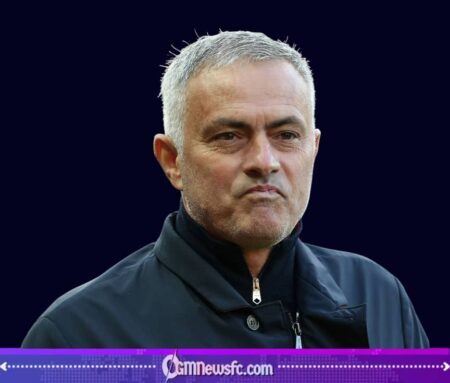
José Mourinho has reportedly issued a clear and uncompromising message to Real Madrid: any potential return to the Santiago Bernabéu will only happen if he is granted full control over team affairs. The Portuguese manager is said to have insisted that he must be allowed to make all footballing decisions without interference from the club’s hierarchy.
At the heart of his demands is autonomy in team selection. Mourinho wants the authority to decide who plays and who does not, regardless of status or reputation. He has reportedly made it clear that he will not accept a situation where certain players are considered “untouchable.”
This stance reflects a broader philosophy that has defined Mourinho’s career. For him, success is built on accountability and merit, principles he believes can only be upheld if the manager has complete control over the squad.
A Philosophy Rooted in Authority and Discipline
Mourinho’s approach to management has always emphasized discipline, structure, and clear lines of authority. Throughout his career, he has thrived in environments where his decisions were final and unquestioned.
His most successful periods, including his time at Inter Milan and Chelsea, were characterized by strong control over dressing room dynamics and tactical direction. In these settings, Mourinho was able to build cohesive teams that operated with clarity and purpose.
However, his insistence on authority has also led to friction in certain roles. At clubs where decision-making was shared or influenced by executives, tensions occasionally emerged. These experiences appear to have reinforced his belief that managerial autonomy is essential for sustained success.
Real Madrid’s Evolving Power Structure
The current structure at Real Madrid presents a different landscape from Mourinho’s previous tenure. Under the leadership of Florentino Pérez, the club operates with a strong executive presence in footballing decisions.
Modern Real Madrid places significant emphasis on long-term planning, commercial considerations, and squad value. This often involves collaboration between the manager and the club’s hierarchy, particularly when it comes to high-profile players.
Granting Mourinho the level of control he seeks would represent a significant shift from this model. It raises questions about whether the club would be willing to alter its established approach to accommodate his demands.
Potential Challenges in Managing Star Players
One of the key issues surrounding Mourinho’s conditions is how they would affect the management of high-profile players. His insistence on being able to bench anyone, regardless of status, could create tension within a squad filled with elite talent.
Modern dressing rooms often include players with significant influence, both on and off the pitch. Balancing authority with maintaining harmony is a delicate task, particularly at a club of Real Madrid’s stature.
Mourinho’s track record shows he is unafraid to make bold decisions. While this can foster accountability and competitiveness, it can also lead to conflicts if not carefully managed. The success of such an approach would depend on how effectively it is implemented within the current squad.
Why Madrid May Still Consider Mourinho
Despite the complexities, Mourinho remains an attractive option for Real Madrid. His experience, tactical expertise, and proven ability to win major trophies make him a compelling candidate in high-pressure situations.
During his previous spell at the club, Mourinho delivered significant success, including a league title achieved with remarkable consistency. He also played a key role in shaping a team capable of competing at the highest level in Europe.
For a club that demands immediate results, Mourinho offers a sense of certainty. His return could bring a renewed sense of discipline and focus, qualities that are often crucial in decisive moments.
Control vs Collaboration: The Defining Question
At the core of this situation lies a fundamental question about the nature of modern football management. Mourinho represents a traditional model in which the manager holds ultimate authority, while many clubs now operate within more collaborative frameworks.
Reconciling these two approaches will be essential if any agreement is to be reached. It may require compromise from both sides, balancing Mourinho’s desire for control with Real Madrid’s established structure.
As speculation continues, one thing is clear: this is not just about a managerial appointment. It is about defining the balance of power within one of the world’s biggest football clubs. Whether Mourinho’s “all or nothing” stance leads to a dramatic return or remains a hypothetical scenario will depend on how that balance is ultimately resolved.