

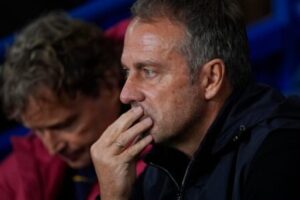





At Real Madrid, crisis meetings are almost as traditional as European trophies—and this latest development suggests the club is once again reaching for its emergency playbook. Reports across Spanish media indicate that club president Florentino Pérez is preparing for a decisive sit-down with manager Álvaro Arbeloa following a string of underwhelming performances.
While the phrase “crunch meeting” is often overused in football, in Madrid it tends to mean something very real: decisions are coming. Whether that leads to reassurance, restructuring, or a rather polite goodbye remains to be seen—but history suggests it rarely ends with a simple handshake and a cup of coffee.
For a club built on relentless success, even a short dip in form can trigger a full-scale review. This time, however, the concerns appear deeper than a bad run—they touch on identity, leadership, and direction.
European heartbreak and domestic frustration
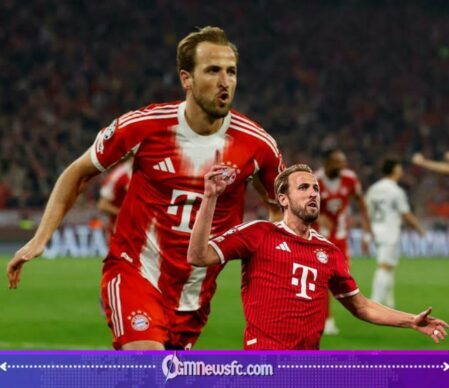
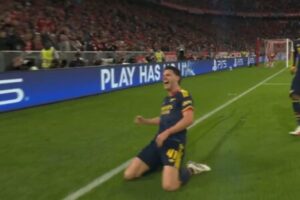
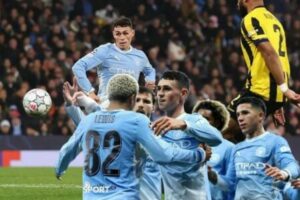
The immediate trigger for this high-level meeting is Real Madrid’s painful exit from the UEFA Champions League at the hands of Bayern Munich. The defeat not only ended their European hopes but also exposed vulnerabilities that had been quietly growing throughout the season.
Domestically, the picture has been equally frustrating. Madrid have struggled to maintain consistency in La Liga, falling behind rivals and failing to impose their usual dominance. For supporters accustomed to title races and late-season drama, this campaign has felt unusually flat.
The result is a rare and uncomfortable possibility: back-to-back seasons without major silverware. At a club where trophies are treated less as achievements and more as obligations, that is enough to trigger alarm bells in every corridor of the Santiago Bernabéu.
Arbeloa’s test: from trusted insider to questioned leader
When Arbeloa stepped into the managerial role, he carried the advantage of familiarity—a former player who understood the club’s culture and expectations. Initially, that connection bought him patience and goodwill.
However, football rarely allows sentiment to override results. Questions have begun to surface about his tactical authority, game management, and ability to control a dressing room filled with global stars. At times, Madrid have looked less like a coordinated unit and more like a collection of talented individuals waiting for inspiration.
To Florentino Pérez credit, Arbeloa has attempted to adapt—rotating systems, experimenting with roles, and seeking balance. But at Real Madrid, effort is appreciated only when it delivers silverware. Without that, even the most loyal figures can find themselves under intense scrutiny.
Dressing room dynamics: talent without harmony?
Beyond the manager, attention is increasingly turning toward the squad itself. On paper, Real Madrid boast one of the most gifted collections of players in world football, including headline names like Kylian Mbappé and Vinícius Júnior.
Yet reports suggest that blending these stars into a cohesive unit has proven more complicated than expected. Tactical overlaps, positional debates, and a lack of clear hierarchy have contributed to inconsistency on the pitch.
There is also the subtle but crucial issue of leadership. Past Madrid sides were anchored by commanding figures who set the tone in difficult moments. The current squad, while immensely talented, is still searching for that same authoritative voice—something no tactical diagram can easily fix.
Pérez’s dilemma: rebuild, reinforce, or reset
For Pérez, this meeting is about more than one manager—it is about safeguarding the club’s trajectory. Known for his decisive leadership, Florentino Pérez now faces a delicate balancing act between stability and change.
One option is to back Arbeloa, reinforce the squad, and allow the project more time to mature. Another is to initiate a managerial change, bringing in a more experienced figure to immediately steady the ship. Neither path is without risk.
There is also the broader question of squad construction. Madrid’s transfer strategy has focused heavily on assembling young superstars, but this approach may now require recalibration to address tactical balance and leadership gaps.
The Bernabéu factor: pressure like no other
At most clubs, a transitional season might be tolerated. At Real Madrid, it is dissected, debated, and often dramatized. The Santiago Bernabéu is not just a stadium—it is an arena of expectation where every pass, substitution, and result is judged against history.
Fans have begun to voice their frustration, not with apathy but with the demanding passion that defines Madrid’s identity. The message is clear: improvement is not optional—it is urgent.
And so, as Pérez prepares for this crucial meeting, the stakes extend beyond tactics or team selection. This is about restoring belief, authority, and the unmistakable aura that has long defined Real Madrid.
What happens next: Florentino Pérez decision time approaches
The outcome of the meeting could shape the club’s immediate future. A vote of confidence might signal continuity, while a change could trigger a wider restructuring ahead of the next season.
Either way, the ripple effects will be significant—impacting transfer plans, dressing room dynamics, and the overall direction of the team. At Real Madrid, such moments rarely pass quietly.
For now, all eyes turn to the boardroom. Because when Pérez calls a meeting, it is rarely just a conversation—it is the beginning of a decision.