










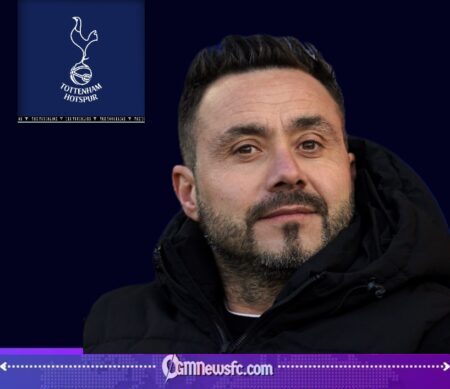
Tottenham Hotspur have made a dramatic managerial change in a bid to salvage their faltering season, parting ways with Igor Tudor after just 44 days in charge and intensifying efforts to appoint Roberto De Zerbi as his successor. With the club hovering perilously close to the Premier League relegation zone, the move underscores the urgency gripping north London as Spurs fight to preserve their top-flight status.
The decision, described by the club as mutual, comes after a dismal run of results under Tudor, who failed to secure a single league victory during his brief tenure. Tottenham now face a race against time, with only a handful of fixtures remaining, as they seek a managerial appointment capable of reversing their alarming decline and restoring stability both on and off the pitch.
A Short-Lived Tenure Ends in Disappointment
Igor Tudor’s time at Tottenham will be remembered as one of the shortest and most challenging managerial spells in the club’s recent history. Appointed in mid-February with a clear mandate to steady the team during a critical phase, the Croatian coach struggled to adapt to the demands of English football. His side managed just one point from five league matches, leaving Spurs teetering just above the relegation zone.
The final blow came with a heavy 3–0 home defeat to Nottingham Forest, a result that intensified pressure on the club’s hierarchy to act decisively. Despite occasional glimpses of promise, including a resilient draw at Liverpool, performances remained inconsistent and fragile, with the team unable to sustain any meaningful momentum.
Compounding the situation was a personal tragedy, as Tudor learned of the death of his father shortly after the Forest defeat. Tottenham expressed their condolences and support, highlighting the human dimension of a turbulent period that ultimately ended his tenure.
Renewed Pursuit of Roberto De Zerbi
Tottenham have swiftly turned their attention to Roberto De Zerbi, identifying the Italian as their preferred candidate to lead the club out of crisis. De Zerbi, who previously impressed during his time in the Premier League with Brighton, is admired for his progressive, attacking style and tactical acumen.
The club had earlier considered appointing him following the dismissal of Thomas Frank but instead opted for Tudor. At the time, De Zerbi had just left Marseille and signalled his intention to take a break from management, with a view to returning in the summer. However, Tottenham are now attempting to persuade him to take on the immediate challenge.
Despite reservations about joining a club embroiled in a relegation battle, Spurs remain optimistic they can secure his services on a long-term contract. They believe his familiarity with English football and ability to implement a clear playing philosophy could provide the spark needed to revive their season.
A Season Spiralling Towards Crisis
Tottenham’s current predicament reflects a broader pattern of decline that has unfolded over recent months. The team is enduring a 13-match winless run in the league, their worst sequence since the 1934–35 campaign, which ended in relegation. The parallels with that historic downturn have not gone unnoticed among supporters.
With just seven matches remaining, the threat of relegation is no longer theoretical but an immediate and pressing concern. The financial and reputational consequences of dropping into the Championship would be severe, making the managerial decision all the more critical.
Injuries have played a significant role in the club’s struggles, disrupting team cohesion and limiting tactical options. However, the lack of organisation and confidence on the pitch has been equally evident, raising questions about leadership and long-term planning.
Tactical Struggles and Dressing Room Tensions
Throughout his brief tenure, Tudor experimented with multiple formations and personnel combinations in an attempt to find a winning formula. Yet these changes often appeared reactive rather than strategic, contributing to a sense of instability within the squad.
The Croatian coach did not shy away from criticising his players, most notably after a defeat to Fulham, where he questioned deficiencies across all areas of the team, including what he described as the “brain” department. Such remarks, while candid, risked undermining morale at a time when unity was essential.
Ultimately, Tudor’s inability to instil confidence or consistency proved decisive. His admission that the role was among the toughest of his career reflected the scale of the challenge he faced—one that now passes to whoever is appointed next.
A Race Against Time for Tottenham
With international fixtures temporarily pausing domestic action, Tottenham have a narrow window to finalise their next managerial appointment. Training sessions are currently being overseen by interim staff, including Bruno Saltor, as the club works behind the scenes to secure a permanent solution.
The upcoming fixture against Sunderland looms as a pivotal moment in the season. By then, Spurs hope to have a new manager in place, capable of galvanising the squad and delivering the results needed to ensure survival.
Time, however, is in short supply. Whether Roberto De Zerbi accepts the challenge or the club turns to an alternative, the next decision will likely define Tottenham’s immediate future and shape the trajectory of the club for years to come.