










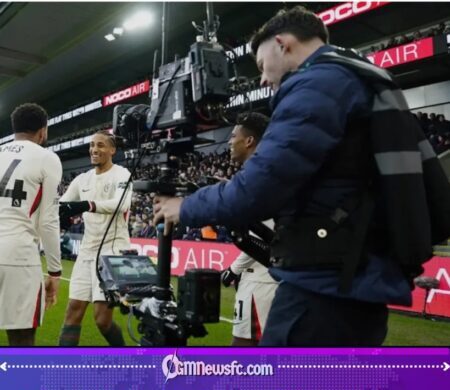
European football’s governing body, UEFA, is reportedly exploring a major transformation in how fans consume the UEFA Champions League. Instead of relying solely on traditional broadcasters, European football is considering launching its own streaming platform—effectively a “Netflix-style” service dedicated to Europe’s premier club competition.
The proposed platform would allow fans to subscribe directly and watch matches without going through third-party networks. This shift, expected to align with the next media rights cycle around 2027, signals UEFA’s intention to modernize its delivery model and keep pace with the rapidly evolving digital entertainment landscape. For fans, it could mean one app, one login, and access to the biggest matches in club football.
While the idea sounds futuristic, it also reflects a broader industry trend. Sports organizations worldwide are moving toward direct-to-consumer models, aiming to cut out intermediaries and build closer relationships with audiences. UEFA, it seems, is ready to join that race—boots laced and all.
The Real Madrid Factor: Influence Behind the Curtain
Behind this ambitious proposal lies the unmistakable influence of Real Madrid CF, one of the most powerful clubs in global football. Club president Florentino Pérez has long advocated for centralized control over football broadcasting, a vision that once fueled the controversial European Super League.
Although the Super League project faced widespread backlash, many of its underlying ideas—particularly around revenue generation and global access—appear to have resurfaced in UEFA’s current thinking. Observers note that this streaming concept resembles a softened, more politically acceptable version of Pérez’s earlier ambitions.
In essence, rather than competing with UEFA, elite clubs like Real Madrid may now be influencing it from within. It’s less rebellion, more strategic partnership—like switching from protest banners to boardroom presentations.
Breaking Free from Broadcasters
For decades, the Champions League has been distributed through a patchwork of regional broadcasting deals. Networks across Europe, Africa, Asia, and the Americas pay hefty sums for exclusive rights, which are then packaged into subscriptions for viewers. UEFA’s proposed platform could disrupt this long-standing system.
By streaming matches directly, UEFA would gain greater control over pricing, distribution, and user experience. It could also standardize access globally, eliminating the frustration of geo-blocks and fragmented coverage. Imagine watching your team without needing three subscriptions and a prayer—football fans might finally rest.
However, this shift would not come without consequences. Broadcasters who currently invest billions in rights deals may resist or renegotiate aggressively. After all, no one enjoys being replaced—especially not after paying premium fees for front-row seats.
The Money Game: Follow the Revenue
At the heart of this move lies a simple truth: football is big business. By launching its own platform, UEFA could unlock new revenue streams, including subscriptions, pay-per-view options, and targeted advertising. In theory, this could generate more income than traditional broadcasting agreements.
For top clubs like Real Madrid, increased revenue potential is a major incentive. More money flowing into the system could mean higher player wages, bigger transfer budgets, and, inevitably, more dramatic transfer sagas to keep fans entertained off the pitch.
Still, the financial equation is not guaranteed. Building and maintaining a global streaming service is expensive, and convincing millions of fans to switch platforms—or pay more—could prove challenging. Even in football, money doesn’t always score on the first attempt.
Fans at the Center: Convenience vs Cost
For supporters, the proposed platform presents both excitement and uncertainty. On one hand, a centralized service could simplify access to matches, offering features like multiple camera angles, real-time stats, and interactive viewing experiences.
On the other hand, there is concern about affordability. If European football opts for a premium pricing model, fans could end up paying more than they currently do through bundled TV packages. The dream of convenience might come with a not-so-dreamy bill at the end of the month.
In regions like Africa, where access and affordability already shape viewing habits, the impact could be particularly significant. Whether this move democratizes football access or deepens existing inequalities remains to be seen.
A Digital Future—or a Risky Gamble?
UEFA’s streaming ambitions reflect a broader shift in how sports are consumed. Younger audiences increasingly prefer on-demand, mobile-friendly content, and traditional TV viewership is gradually declining. By embracing streaming, UEFA is positioning itself for the future.
Yet, the transition carries risks. Technical challenges, market resistance, and pricing missteps could undermine the project. Football fans are passionate—but they are also discerning customers who expect value for money.
Ultimately, European football is attempting to balance innovation with tradition. It’s a delicate dance—one that could redefine football broadcasting or leave executives wishing they had stuck to the old playbook.
Football at a Crossroads
As UEFA weighs its options, one thing is clear: the Champions League is entering a period of transformation. With influence from powerful clubs like Real Madrid and the vision of leaders like Florentino Pérez, the competition could soon be delivered in a completely new way.
Whether this becomes a revolutionary leap forward or a costly experiment will depend on execution, pricing, and fan acceptance. For now, the ball is in European football’s court—and the world is watching.