








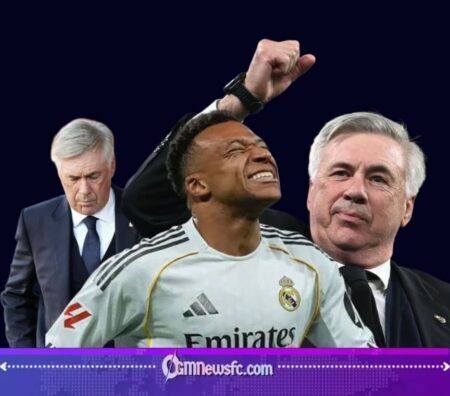
The Whistles surrounding Kylian Mbappé during Real Madrid’s 2-0 victory over Real Oviedo may have lasted only a few moments, but they instantly became the defining soundtrack of the evening. While the scoreboard reflected another routine Madrid victory, the atmosphere inside the Santiago Bernabéu suggested something far less comfortable. Mbappé, one of world football’s biggest names, entered the pitch expecting support and instead received the kind of reception usually reserved for referees who deny penalties in the 98th minute.
Whistles Growing Louder Around Madrid
The Whistles heard around the Bernabéu were reportedly linked to growing frustration among sections of the fanbase over inconsistent attacking displays and the immense expectations placed on Mbappé since his highly publicized arrival. Real Madrid supporters are famously demanding, and history shows they rarely hesitate to express disappointment directly. Even club legends such as Cristiano Ronaldo and Zinedine Zidane experienced difficult nights under the scrutiny of Madrid’s home crowd during their careers.
Ironically, the uncomfortable reception arrived during a winning performance. Madrid controlled large portions of the match against Oviedo, securing a professional 2-0 result without major danger. Yet football crowds often operate emotionally rather than logically. One minute a player is untouchable, the next minute the stadium sounds like a disappointed orchestra tuning its instruments. Mbappé’s substitution became more discussed online than the goals themselves, proving once again that drama travels faster than tactics in modern football.
Whistles, Pressure, and the Bernabéu Tradition
The Whistles directed at Mbappé also reflect a broader culture surrounding Real Madrid, where superstardom guarantees attention but never guarantees patience. Over the years, the Bernabéu has developed a reputation for demanding relentless excellence from every major signing. Recent discussions around Madrid’s squad dynamics, tactical balance, and attacking chemistry have only intensified scrutiny on high-profile players expected to deliver instantly.
Additional reporting across Spanish football circles has suggested that fan frustration may also stem from the club’s overall standards after years of dominance in domestic and European competitions. At Madrid, supporters measure players against eras, not moments. Fans are not merely asking whether Mbappé is good; they are subconsciously comparing him to previous icons who delivered Champions League nights, decisive goals, and unforgettable performances almost on command. It is football’s version of joining a company where every former employee apparently won Employee of the Month for ten consecutive years.
Still, the reaction does not necessarily signal a broken relationship between player and supporters. The Bernabéu crowd is known for emotional extremes, and football history is filled with players who transformed criticism into motivation. For now, the Whistles serve as both warning and challenge: in Madrid, fame opens the door, but performances decide whether the stadium sings your name or auditions its whistle collection again next weekend.