









The 2026 FIFA World Cup has produced unforgettable football moments, but it has also delivered something even more breathtaking—an avalanche of money. In a development that has stunned even seasoned football executives, FIFA is set to announce a record-breaking $15 billion in World Cup revenue, far exceeding its earlier projection of $11 billion. According to information obtained by OGM News FC, booming hospitality sales, premium ticket packages and the thriving secondary ticket market have transformed the tournament into football’s most profitable spectacle ever.
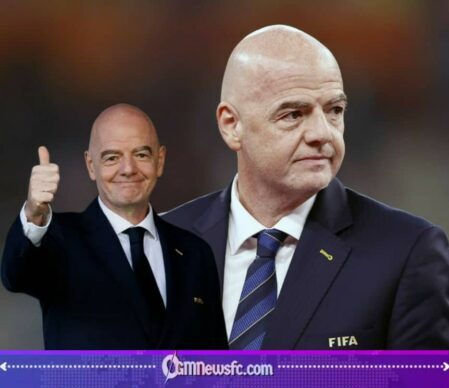
For FIFA President Gianni Infantino, the financial milestone arrives at a politically significant moment. While questions continue to surround several controversial decisions made during the tournament, including the debate over the suspension of Folarin Balogun’s red card against Paraguay, the governing body’s extraordinary financial performance has strengthened its confidence ahead of future elections and major tournament planning.
When Football Discovers That Gold Is Hidden in the Ticket Booth
If football supporters believed goals were the tournament’s biggest attraction, FIFA’s accountants appear to have found something even more valuable—VIP wristbands and hospitality lounges. Satirically speaking, every completed pass may have been worth applause, but every luxury ticket appears to have been worth a standing ovation inside FIFA’s finance department.
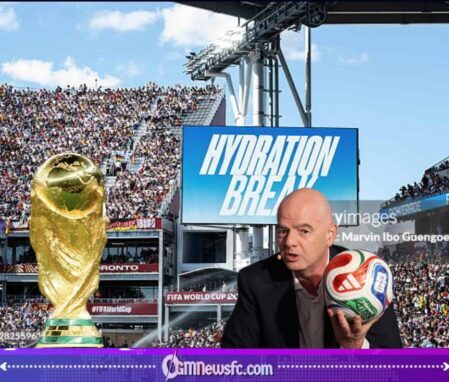
Hospitality packages reportedly reached astonishing prices, with premium “Trophy Lounge” access for the World Cup final in New Jersey selling for around $34,500 per person. Meanwhile, FIFA also earned commissions from both buyers and sellers on its official secondary ticket marketplace, ensuring that nearly every ticket transaction contributed another layer to the organization’s growing financial mountain. The result is a World Cup that may be remembered as much for its balance sheet as its scorelines.
Politics, Promises and the Next Billion-Dollar In FIFA’s Tournament
The financial success also arrives while FIFA continues managing criticism surrounding several tournament decisions. Debate remains active over the disciplinary controversy involving United States striker Folarin Balogun, with some football associations questioning whether outside political pressure influenced events. FIFA has consistently maintained that its disciplinary committee acted independently.
Meanwhile, current U.S. President Donald J. Trump has publicly encouraged FIFA to award another World Cup to the United States in the future, even suggesting the country could host another tournament without Canada and Mexico. With discussions also continuing over a possible future FIFA Club World Cup in the United States, the enormous financial returns from the 2026 competition may make future American hosting bids even more attractive. Satirically, football’s next transfer window may not involve players at all—it may simply involve moving tournaments toward wherever the cash register rings loudest.
The record-breaking revenue demonstrates how modern football has become both a sporting festival and a global commercial empire. While supporters celebrate memorable matches on the pitch, administrators are celebrating equally impressive figures in financial reports. Whether this wealth ultimately benefits football associations, grassroots development or future tournaments remains one of the biggest stories still unfolding. Stay with OGM News FC for continuing updates as FIFA reveals how its historic World Cup fortune will shape the future of global football.