










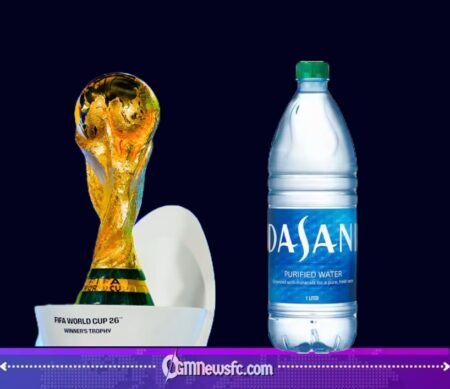
The Water Bottle debate has become one of the earliest controversies of the 2026 FIFA World Cup, with FIFA performing a dramatic U-turn after widespread criticism over plans that would have restricted supporters from bringing reusable bottles into stadiums. In a tournament already facing questions about extreme Heat conditions across North America, the governing body’s sudden policy reversal has transformed a routine stadium regulation into a public-relations match that many observers believe FIFA was losing badly before halftime.
Heat Fears Force FIFA to Change Course on Stadium Water Rules
The controversy emerged after updated stadium guidelines reportedly removed previous language that had permitted fans to carry empty, transparent reusable bottles into venues. The revised wording effectively prohibited reusable containers, triggering criticism from supporters concerned about both affordability and hydration during what is expected to be one of the hottest World Cups in recent memory.
Facing mounting pressure, FIFA World Cup 2026 Chief Operating Officer Heimo Schirgi confirmed that supporters will now be permitted to bring one factory-sealed, soft plastic Water Bottle into stadiums. Hard-sided and reusable containers remain prohibited on security grounds. The decision represents a significant retreat from the earlier position and has been interpreted by many supporters as evidence that public pressure can still score goals against football’s most powerful institutions.
The dispute gained momentum because of forecasts suggesting that a large majority of tournament matches could be played in temperatures exceeding 28 degrees Celsius. In such conditions, the issue quickly evolved from a discussion about stadium security into a broader debate over fan welfare. Social media users accused organizers of ignoring common sense, while others speculated that expensive in-stadium beverage sales would become the unintended winner of the policy.
FIFA Updates Stadium Policy After Backlash Over Hydration Concerns
The Heat challenge facing the 2026 World Cup is not a hypothetical concern. Sports scientists, medical experts, and tournament observers have repeatedly highlighted the physical demands that high temperatures can place on both athletes and spectators. Several host cities are expected to experience summer conditions capable of affecting comfort, performance, and hydration strategies throughout the competition.
The discussion also arrives against the backdrop of growing climate-related concerns across international football. Recent tournaments have featured cooling breaks, revised scheduling considerations, and increased focus on player welfare during periods of extreme weather. The Water Bottle controversy therefore touched a sensitive nerve, with critics arguing that modern tournament planning must prioritize health considerations alongside commercial and security requirements.
Questions remain regarding concession pricing inside stadiums. During previous FIFA events in the United States, bottled water prices drew criticism from some supporters, particularly during periods of intense Heat. While FIFA’s latest decision may ease immediate concerns, fans will be watching closely to see whether hydration remains accessible once millions of supporters begin filling stadiums across the United States, Canada, and Mexico.
For now, the Water Bottle has achieved something few expected: it has become one of the most influential players in the build-up to the 2026 World Cup. The controversy may ultimately be remembered as a minor administrative dispute, but it has already highlighted the growing importance of fan welfare, climate preparedness, and public accountability in global football. As the countdown to kickoff continues, FIFA will hope future headlines focus more on goals than on bottles, though the Heat issue is unlikely to disappear anytime soon. OGM News FC will continue monitoring developments as tournament preparations advance.