









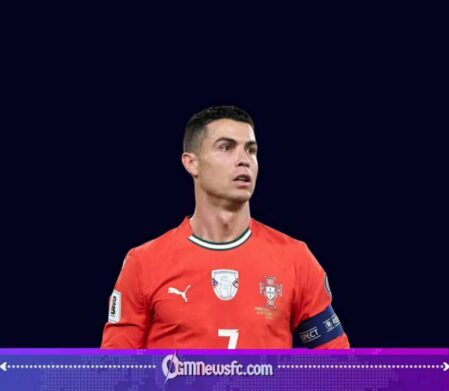
Ronaldo and Portugal have once again become the centre of football’s most persistent debate. As the World Cup approaches, Portugal possess arguably one of the strongest squads in their history, yet discussions continue to revolve around a familiar question: are they actually better with Cristiano Ronaldo on the pitch? It is the sort of football argument capable of turning family dinners into tactical conferences. While Ronaldo prepares for a record sixth World Cup appearance, Portugal must decide whether sentiment, statistics and strategy can comfortably share the same dressing room.
Portugal’s Biggest Opponent Might Be the Ronaldo Selection Debate
The latest debate surrounding Ronaldo intensified after several performances in which Portugal looked dangerous without their captain. A 9-1 victory over Armenia during a suspension absence became a favourite exhibit for those arguing that the team functions more fluidly when the attack is not built around one focal point. Multiple goalscorers emerged, the midfield controlled proceedings, and critics quickly declared that Portugal had accidentally discovered football without dependency.
However, the counterargument remains equally powerful. Under Roberto Martínez, Ronaldo has produced an exceptional scoring record, netting 25 goals in 30 appearances. Teammates including Bruno Fernandes have publicly rejected suggestions that Portugal are stronger without him, arguing that goals, leadership and experience remain impossible to replace. Even at 41, Ronaldo continues to occupy defenders, create space and provide a clinical edge that many teams would happily borrow without asking for a receipt.
Portugal Found a Golden Generation but Still Can’t Escape Ronaldo Questions
The broader context makes the Portugal debate more fascinating than previous generations. This squad is no longer solely dependent on Ronaldo. Midfielders such as Vitinha, João Neves and Bruno Fernandes have helped create a technically gifted core capable of controlling matches through possession, movement and creativity. Portugal’s recent success, including strong form under Martínez and a Nations League triumph, has reinforced the belief that the team can compete with football’s elite regardless of individual star power.
Additional analysis from recent discussions suggests the real question is not whether Ronaldo should be dropped entirely, but whether he should remain an automatic starter. Some tactical observers argue Portugal may benefit from deploying a more mobile forward from the start before introducing Ronald later in matches when experience, finishing and penalty-box instincts become decisive. Martínez himself has insisted that selections are based on form rather than reputation, suggesting no player is guaranteed a place simply because of history. That statement sounds straightforward, although applying it to the most famous Portuguese footballer ever is considerably less straightforward.
The truth is that Ronald and Portugal are tied together in a way few players and national teams have ever been. Portugal may now possess enough talent to survive without him, but they also possess enough evidence to justify keeping him involved. The World Cup will likely provide the final answer. Until then, the debate remains gloriously unresolved: Portugal’s greatest strength may be its depth, but its biggest talking point is still wearing number seven.