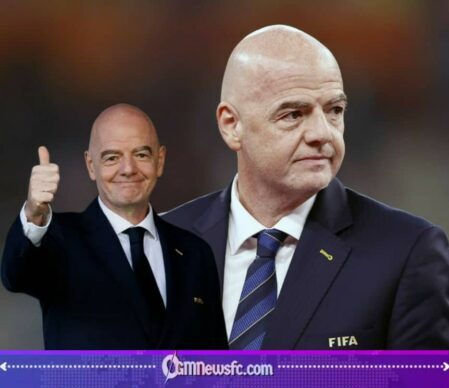









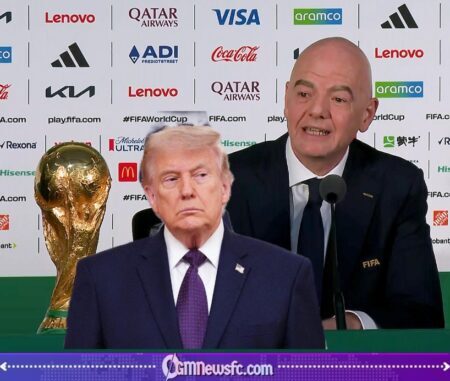
The World Cup has not yet delivered its first great goal, dramatic upset or last-minute winner, but it has already produced enough controversy to fill an entire season of football debate shows. At the centre of the storm stands Infantino, FIFA’s president, who responded to mounting criticism by advising everyone to relax, chill and enjoy the spectacle. It was a message delivered with confidence, though perhaps not everyone was convinced that a tournament wrestling with politics, travel restrictions and public protests could simply take a deep breath and carry on.
World Cup Critics Question FIFA’s Growing Dependence on Political Power
The World Cup build-up has been dominated by issues far removed from tactics and team selection. During a press conference in Mexico City, Infantino defended FIFA’s handling of concerns ranging from expensive ticket prices to questions surrounding the treatment of certain participating nations. His remarks came amid criticism over travel arrangements affecting Iran’s national team and reports involving Somali referee Omar Artan, who was denied entry into the United States despite being selected for the tournament.
Infantino also highlighted his strong working relationship with President Donald J. Trump, arguing that the administration’s support was essential to staging the tournament in the United States. While FIFA’s president presented this partnership as a practical necessity, critics viewed it differently. Some observers have questioned whether football’s governing body has become too closely aligned with political interests. As a result, the World Cup finds itself in the unusual position of defending diplomatic decisions almost as frequently as football decisions. Even by FIFA standards, that is an impressive achievement.
Infantino Accused of Putting Politics Above the Spirit of the World Cup
The wider context surrounding this World Cup helps explain why Infantino faces growing scrutiny. FIFA expects the tournament to generate record-breaking revenues, reinforcing its status as the most commercially successful event in football history. Yet critics argue that soaring ticket costs, travel expenses and commercial policies have placed additional burdens on supporters who are traditionally considered the lifeblood of the competition.
Beyond economics, the tournament has become a focal point for debates about immigration, international relations and sporting neutrality. Human rights organisations, journalists and football stakeholders have raised concerns about restrictions affecting certain participants and visitors. Planned demonstrations in Mexico City and criticism from football figures around the world have contributed to the sense that this World Cup is operating under an unusually intense political spotlight. What should have been a straightforward celebration of football increasingly resembles a global summit that occasionally pauses for a match.
For all the controversy, the ultimate fate of this World Cup may still be decided on the pitch. Football possesses a remarkable ability to overwhelm headlines, silence critics and create unforgettable moments that outlive political disputes. Yet Infantino and FIFA know that success is not guaranteed. If the tournament delivers thrilling football, many of today’s controversies may fade into the background. If problems persist, however, this World Cup could be remembered as the competition that spent almost as much time defending itself as it did celebrating the beautiful game. And that is not the kind of trophy any organiser wants to lift.