









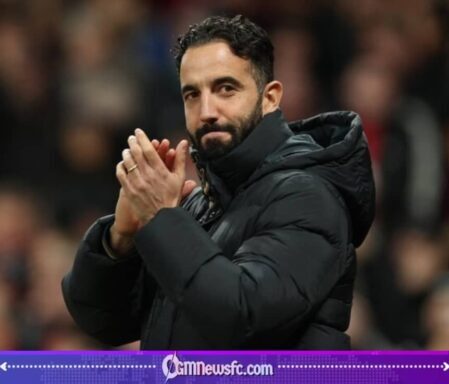
AC Milan have officially launched their latest REBOOT, appointing Ruben Amorim as head coach in a move designed to restore the fallen giants to Champions League football. The announcement follows a turbulent season that saw the Rossoneri miss out on qualification for Europe’s premier club competition, leaving fans frustrated and club executives searching for answers. Now, the Portuguese manager walks into San Siro carrying equal amounts of promise, pressure, and curiosity. One question dominates the conversation: is Milan witnessing the beginning of a revival or simply the start of another chapter in football’s favourite drama series?
REBOOT Begins as Milan Hand Amorim the Keys
Amorim replaces Massimiliano Allegri after a campaign that ended far below expectations. Milan’s leadership believes the former Sporting CP coach possesses the tactical innovation and player-development expertise required to modernize the team and restore competitiveness. Reports indicate he has signed a multi-year deal and will immediately begin preparations for a squad overhaul aimed at returning the club to the Champions League.
The appointment comes with unavoidable baggage. Amorim’s previous role at Manchester United ended in disappointment after a difficult spell that failed to meet expectations. Yet football executives appear more interested in the version of Amorim that delivered league titles at Sporting than the one who struggled at Old Trafford. Milan are effectively betting that environment matters, and that the coach who flourished in Portugal can thrive again when given time, structure, and a squad better suited to his ideas.
REBOOT Reality: Why Milan Believe the Gamble Is Worth Taking
Beyond the headlines, Milan’s decision reflects a broader desire to embrace a younger, more progressive coaching profile. Amorim earned widespread praise during his Sporting tenure for implementing a clear tactical identity, developing emerging talent, and ending long waits for domestic success. Club officials have publicly highlighted those achievements as central reasons behind the appointment.
The wider context is equally important. Milan’s recent struggles have extended beyond the touchline, with changes in leadership and recruitment strategy contributing to instability. Supporters have grown impatient after seeing the club drift away from the European elite. Community discussions among fans reveal a mixture of optimism and concern: optimism because of Amorim’s track record at Sporting, because rebuilding a giant club rarely follows a straight line.
Amorim now faces the challenge every ambitious coach eventually encounters: proving that past success was the result of genuine excellence rather than perfect circumstances. Milan’s Champions League ambitions demand immediate progress, but meaningful reconstruction takes time. The irony, of course, is that football rarely grants managers the very thing they need most—patience.
For now, the REBOOT has officially begun. Milan supporters will hope Amorim’s tactical software installs smoothly, the squad avoids system errors, and the Champions League logo soon returns to San Siro. If not, football’s most unforgiving operating system will inevitably prompt another update.