






Football usually thrives on noise — screaming fans, tactical debates, angry pundits, and social media experts who suddenly become licensed coaches every weekend. But this latest El Clasico between FC Barcelona and Real Madrid CF carried a silence underneath the tension after Barcelona manager Hansi Flick reportedly lost his father just hours before the match. Despite the devastating news, Flick still appeared on the touchline, thanked supporters after the game, and somehow managed to turn one of football’s fiercest rivalries into a deeply emotional moment that temporarily made even rival fans behave like decent human beings. Reports following the game described emotional tributes from players and supporters, while Flick himself admitted it had been “a difficult day.”
El Clasico Turns Into Football’s Most Emotional Tactical Meeting
The original expectation surrounding El Clasico was simple: pressure, chaos, and another chapter in the endless Barcelona versus Real Madrid soap opera. Instead, the atmosphere shifted dramatically after Barcelona publicly confirmed the death of Flick’s father ahead of kickoff. The German coach reportedly informed the club and players before deciding he would still lead the team from the dugout. Real Madrid also issued condolences, a reminder that even football’s coldest rivalries occasionally remember basic humanity exists.
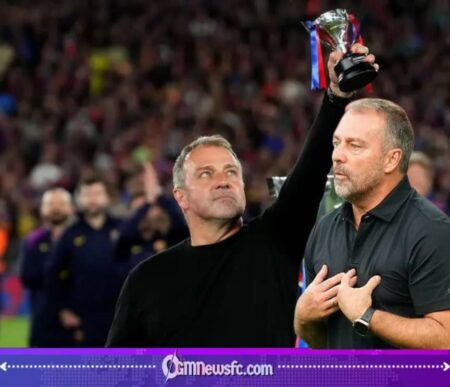
Inside the stadium, Barcelona players appeared determined to transform grief into motivation. Supporters reportedly applauded Flick warmly, while several reports suggested tributes, black armbands, and emotional gestures filled the occasion. Social media reactions described the match as one of those rare nights where football briefly stopped acting like a nonstop argument factory. Barcelona’s players later celebrated with their manager in emotional scenes that looked less like standard trophy celebrations and more like a squad protecting one of their own.
El Clasico Adds Another Chapter to Flick’s Barcelona Story
Beyond the emotions, the occasion also strengthened Flick’s growing reputation at Barcelona. Since arriving in Catalonia, the German coach has rebuilt the team’s structure, discipline, and attacking confidence after years of financial stress and inconsistent performances. Reports following the match highlighted that Barcelona were on the verge of securing consecutive league titles under Flick, while fans inside Camp Nou reportedly celebrated him with chants after the final whistle.
What made the night even more striking was the reaction from players and supporters beyond Barcelona circles. Online discussions across football communities praised Flick’s composure and the squad’s response to the situation. Midfielder Pedri was widely mentioned in fan reactions for reportedly dedicating the title triumph to Flick’s father, while supporters described the night as a reminder that football occasionally becomes more than tribal rivalry and tactical obsession. For one evening, El Clasico stopped being purely about who controlled midfield possession or who forgot to track runners. It became about resilience, loyalty, and collective support during grief.
The emotional weight surrounding this El Clasico will likely outlive the result itself. Football fans will remember the rivalry, the atmosphere, and the celebrations — but many will mainly remember Hansi Flick standing on the touchline during personal heartbreak while thousands applauded him in respect. In a sport constantly addicted to controversy, outrage, and tactical warfare, El Clasico unexpectedly reminded everybody that sometimes the strongest thing in football is simply showing up.