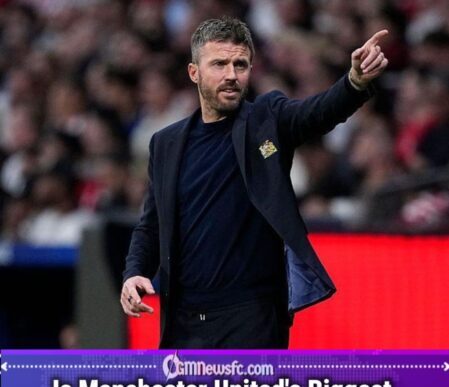





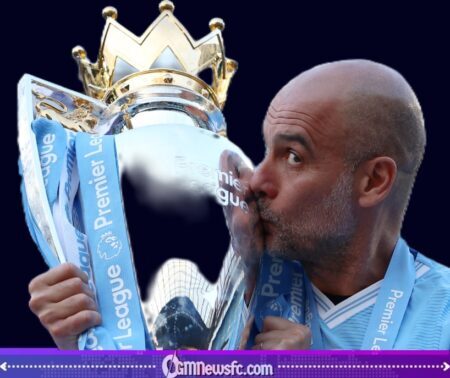
The Guardiola Exit comes at a fascinating moment for Manchester City. The club remains mathematically alive in the title race while fresh off another Wembley triumph after defeating Chelsea 1-0 in the FA Cup final. Guardiola, who arrived at the Etihad in 2016 after iconic spells with Barcelona and Bayern Munich, has since transformed City into one of the most dominant teams English football has ever seen. Six Premier League titles, including a historic four consecutive league crowns, have cemented his reputation as perhaps the defining manager of the modern era.
Yet beneath the trophies and celebrations lies the reality that football dynasties eventually face change. City officials are reportedly preparing stakeholders ahead of an official announcement expected on Sunday, with celebrations planned during an open-top bus parade through Manchester. The image practically writes itself: Guardiola waving goodbye while rival fans check the calendar to confirm this is not an elaborate tactical prank.
Attention has already shifted toward possible replacement Enzo Maresca, the former Leicester City and Chelsea boss who previously served as Guardiola’s assistant. Maresca is admired for implementing similar positional football principles, although inheriting Guardiola’s tactical empire may feel like being handed the keys to a spaceship after learning to ride a bicycle. Even successful managers often struggle under the weight of replacing legends, particularly one whose influence extended from training-ground philosophy to how fans discuss football online.
Guardiola’s impact was not limited to silverware. He revolutionized positional play in English football, normalized defenders drifting into midfield, and made phrases like “half-space occupation” part of mainstream football debates. Opposing managers frequently spent entire matches looking like university students trying to solve calculus without notes. Whether admired or criticized, Guardiola forced English football to evolve around him.
Guardiola Leaves Etihad With More Trophies Than Some Clubs Have Corner Kicks
The Guardiola Exit also arrives during a period of increasing scrutiny surrounding Manchester City’s future direction. While the club remains one of Europe’s strongest sides financially and competitively, maintaining Guardiola’s standards without Pep himself will be one of football’s greatest modern experiments. His Champions League triumph in 2023, achieved after defeating Inter Milan, finally delivered City’s long-awaited European crown and completed the club’s transformation into a global superpower.
Interestingly, Guardiola’s departure echoes previous patterns in his managerial career. At Barcelona and Bayern Munich, he stepped away after cycles of dominance, often choosing reinvention over stagnation. Football insiders have long suggested Guardiola thrives on intense pressure but also understands when an era risks becoming repetitive. The decision to leave now, with his legacy secured beyond argument, may reflect a manager determined to exit before decline rather than after it.
Beyond Manchester, the Premier League itself could undergo a noticeable tactical shift. Pep’s relentless emphasis on possession and structured buildup reshaped recruitment strategies across England. Clubs spent years searching for midfielders comfortable receiving the ball under pressure simply because Guardiola made everyone else panic about keeping possession. Some rival supporters may quietly celebrate his departure, though many will likely miss the weekly drama of watching opposing managers invent entirely new defensive formations just to survive ninety minutes.
The Guardiola Exit therefore represents more than a managerial change. It marks the closing chapter of one of football’s most influential eras. Manchester City will continue, trophies will still be chased, and another coach will eventually occupy the Etihad dugout. But replacing Pep’s combination of genius, obsession, and theatrical sideline reactions may prove impossible. As Sunday approaches, football prepares to say farewell to a manager who did not merely win matches — he changed how the modern game thinks, moves, and occasionally overcomplicates a simple pass.