









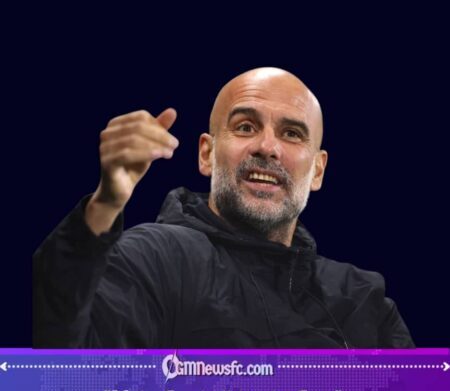
Pep Guardiola has sparked a global debate after strongly criticising the rising cost of attending the FIFA World Cup. Speaking candidly, the Manchester City manager questioned why the tournament once celebrated as a global festival for ordinary supporters—has become increasingly inaccessible.
Guardiola reflected on earlier editions of the World Cup, recalling how fans could travel across continents to support their nations without facing overwhelming financial barriers. His remarks were rooted in concern that the modern game risks drifting away from its core audience.
While acknowledging the commercial realities of modern football, Guardiola’s central message was clear: the sport must not lose sight of the people who sustain it. His comments have since resonated widely, amplifying concerns already voiced by fans and analysts.
Ticket Prices Reach Unprecedented Levels
Recent reports across major outlets highlight just how dramatic the rise in World Cup ticket prices has become. For the upcoming tournament, certain premium tickets have been listed at extraordinary figures, with resale prices in some cases reaching staggering amounts far beyond the reach of average supporters.
Even standard match tickets and associated travel costs have increased significantly, making attendance a luxury rather than a shared global experience. Accommodation, transport between host cities, and general event expenses have all contributed to the growing financial burden.
This sharp escalation in costs helps explain Guardiola’s frustration. The issue is no longer limited to premium hospitality packages; it is affecting the broader fan base that has traditionally defined the World Cup atmosphere.
The Role of Dynamic Pricing and Commercial Models
One of the key drivers behind rising ticket costs is the adoption of modern pricing strategies. Organisers have increasingly embraced demand-based systems, where ticket prices fluctuate depending on interest levels, similar to models used in other global sports and entertainment industries.
In addition, official resale platforms have created secondary markets where prices can climb dramatically. While these systems can maximise revenue and reflect real-time demand, they often result in unpredictable and inflated costs for fans.
Guardiola admitted that he does not fully understand the reasoning behind such high prices, but his criticism points toward a broader concern: that financial optimisation may be overshadowing accessibility and fairness in the sport.
Growing Backlash from Fans and Advocacy Groups
Guardiola’s remarks are part of a wider wave of criticism surrounding the tournament’s affordability. Supporters’ groups, accessibility advocates, and sections of the media have all raised concerns about the direction of World Cup ticketing policies.
Critics argue that rising costs are excluding traditional fan bases, particularly those who travel internationally to support their teams. There have also been concerns about accessibility for disabled supporters, with some organisations calling for more inclusive and transparent ticketing practices.
In some host cities, backlash has already forced organisers to reconsider pricing decisions for fan-related events. These developments highlight the growing tension between commercial ambition and the need to maintain football’s inclusive spirit.
A Shift from Global Celebration to Premium Experience
Guardiola’s comments also reflect a deeper shift in how the World Cup is perceived. Once seen as a unifying global celebration, the tournament is increasingly viewed as a high-end event shaped by corporate sponsorships and commercial interests.
This transformation has raised questions about the identity of the competition. For many fans, the World Cup’s magic lies in its diversity and accessibility,the ability for supporters from different backgrounds to come together and share the experience.
By contrast, the current trajectory risks turning the tournament into an exclusive spectacle. Guardiola’s warning suggests that this shift could weaken the emotional connection that has long defined international football.
Balancing Profit and Passion in Modern Football
Despite his criticism, Guardiola acknowledged the importance of financial sustainability. Hosting a global event of the World Cup’s scale requires significant investment, and sponsors play a vital role in supporting its organisation.
However, his key argument remains that financial considerations must be balanced with the needs of supporters. Without fans, the spectacle loses its meaning, and the long-term health of the sport could be at risk.
As the tournament approaches, the debate sparked by Guardiola is unlikely to fade. His call to “make football for the fans” has become a rallying point in a broader discussion about the future of the game—one that will shape how football evolves in the years to come.