










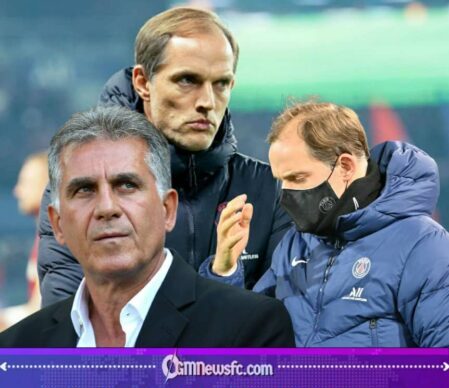
The Penalty debate overshadowed everything else as England were held to a frustrating 0-0 draw by Ghana, a result that left Thomas Tuchel’s side facing uncomfortable questions despite remaining in a strong position to progress. England controlled possession, dictated territory, and spent much of the evening circling the Ghana penalty area. Unfortunately for England, possession statistics do not count as goals, and Ghana appeared more than happy to let the Three Lions collect passes while they collected patience. The real suspense arrived late in the contest when Ghana appealed for a Penalty, a moment that immediately transformed a quiet tactical battle into a full-scale international argument.
Penalty Panic: England Bring 80 Percent Possession, Forget to Bring Goals
England entered the match with confidence following their high-scoring victory over Croatia, but they quickly discovered that breaking down the Ghana Wall was a far more complicated assignment. Ghana sat deep, remained organized, and denied England the spaces that had existed in previous matches. England enjoyed nearly 80 percent possession for long periods yet struggled to create clear openings. The best opportunity fell late when Nico O’Reilly struck the crossbar before Harry Kane failed to convert the rebound, a miss that summed up England’s frustrating evening.
The Ghana Wall was not simply a defensive tactic; it was an exercise in discipline. Under Carlos Queiroz, Ghana accepted long periods without the ball and concentrated on frustrating England’s creative players. Jude Bellingham found little room to operate, while England’s wide attackers repeatedly encountered yellow shirts. Tuchel’s substitutions injected energy but could not provide the decisive breakthrough. By full-time, England had plenty of possession to admire but no goals to celebrate.
England Escape Ghana Trap After Referee Misplaces His Magnifying Glass
The match’s defining controversy centered on the disputed Penalty appeal involving Prince Adu and Ezri Konsa. Ghana believed the defender made contact without playing the ball, while England breathed a collective sigh of relief when neither the referee nor VAR intervened. The incident immediately became the dominant talking point after the match, with former referees and many observers arguing that Ghana had a legitimate grievance. Even among neutral viewers, the decision generated widespread discussion regarding whether England had escaped punishment.
Beyond the immediate controversy, the Penalty debate highlighted broader concerns surrounding England’s performance. This was not the first time Tuchel’s side struggled against an opponent willing to defend deep and remain compact. Recent performances have occasionally raised questions about England’s creativity when forced to unlock stubborn defensive structures. The draw also extended a curious pattern in which England have repeatedly stumbled in second group-stage matches at major tournaments. While qualification remains highly likely, tougher opponents will examine Ghana’s blueprint with considerable interest.
England remain well-positioned in Group L, and Tuchel has urged supporters not to overreact. Yet the evening offered two clear lessons. First, the Ghana Wall demonstrated how effectively disciplined defending can neutralize even elite attacking talent. Second, the lingering Penalty controversy ensures this draw will be remembered for more than its lack of goals. OGM News FC will continue monitoring whether England find greater attacking solutions in their next outing—or whether opponents decide to copy Ghana’s remarkably effective defensive recipe.