






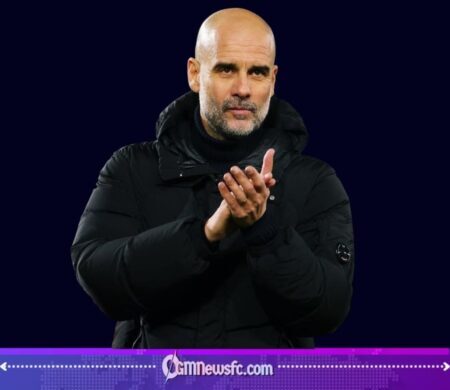
The football world has once again entered its favourite genre of entertainment: billionaire-level transfer chaos. Reports claiming that Cristiano Ronaldo’s Al Nassr has offered Pep Guardiola an astonishing $150 million per year deal excluding bonuses have triggered a full-scale Pepstorm across Europe, Saudi Arabia, and every football group chat where people pretend they understand financial fair play.
While Guardiola remains under contract at Manchester City, the sheer size of the alleged proposal has forced fans and pundits alike to wonder whether football’s most decorated tactical thinker could eventually trade the Etihad drizzle for Riyadh sunshine and a bank account requiring its own stadium naming rights.
Pepstorm and the Saudi Ambition Machine
The reported Al Nassr approach is not happening in isolation. Saudi Arabia’s football project has spent the last few years aggressively transforming the Saudi Pro League from a regional competition into a global entertainment product. Cristiano Ronaldo’s arrival in late 2022 acted as the opening scene of a football blockbuster that later welcomed stars including Neymar, Karim Benzema, Sadio Mané, Riyad Mahrez, and several European coaches. But the latest Pepstorm suggests Saudi clubs are now targeting football’s elite brains as much as its famous boots.
For Al Nassr specifically, Guardiola would represent far more than a manager. He would become a symbol of legitimacy and tactical prestige. Ronaldo’s relationship with Guardiola has long fascinated football fans, especially after their famous rivalry years when Guardiola coached Barcelona while Ronaldo starred for Real Madrid. Ironically, the same tactical mastermind once accused of ruining Ronaldo’s weekends in Spain could now become the man trusted to maximise Al Nassr’s ambitions. Football truly enjoys recycling drama with higher budgets each season.
Pepstorm Beyond the Money: What This Means for Football
Additional reports surrounding Saudi football’s long-term strategy suggest the league is increasingly focused on sustainable global relevance rather than short-term publicity. Officials have consistently denied accusations that the spending spree is merely vanity marketing, insisting the project is tied to broader economic and tourism ambitions connected to Saudi Arabia’s international positioning. Yet critics continue to question whether European football’s balance of power is slowly shifting toward leagues powered by financial muscle that even elite Premier League clubs may struggle to match.
Guardiola’s situation also adds another layer to the discussion. The Manchester City manager has repeatedly spoken about burnout, pressure, and the intensity of managing at the highest European level. Though there is no indication he is preparing to leave immediately, the existence of such an enormous offer inevitably fuels speculation about what comes next after City. Some supporters insist Guardiola would never abandon elite European competition, while others argue football history has repeatedly shown that “never” usually lasts until someone arrives carrying several trucks filled with money.
For now, the Pepstorm remains a spectacular rumour hovering between fantasy and possibility. But even if Guardiola ultimately rejects Al Nassr’s riches, the story itself reveals something important about modern football: Saudi clubs are no longer asking for attention ,they are demanding a permanent seat at football’s most powerful table. And somewhere in Europe tonight, nervous club executives are probably checking whether their managers’ contracts include anti-billionaire clauses.