



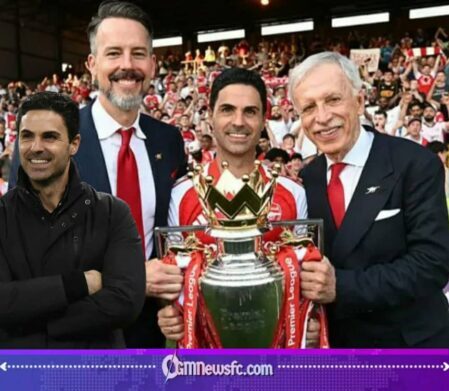
The Covid Era may forever remain one of football’s strangest periods, but according to Arsenal owner Stan Kroenke, it also became the unlikely foundation for Mikel Arteta’s revival project at the Emirates Stadium. At a time when football stadiums fell silent and uncertainty surrounded every major club, Arsenal quietly doubled down on a manager many supporters believed was only weeks away from disaster. The club’s hierarchy now insists those difficult months gave Arteta the time and space required to rebuild Arsenal without the full force of weekly emotional explosions from frustrated supporters. In simpler terms, the pandemic may have temporarily saved both Arsenal’s long-term project and several televisions across North London.
Kroenke Suggests Pandemic Bought Arteta More Time Than Fans Wanted
Kroenke’s comments arrive after Arsenal’s gradual return to the elite conversation in English football. The Spaniard initially inherited a fractured squad, inconsistent recruitment structure, and a fanbase exhausted by years of drifting performances after Arsène Wenger’s departure. During the early Covid Era seasons, Arsenal frequently looked like a team attempting advanced tactical geometry while forgetting basic defending. Results fluctuated wildly, confidence disappeared quickly, and online criticism became relentless. Yet internally, the club reportedly remained convinced that Arteta’s methods, discipline, and long-term planning required patience rather than panic.
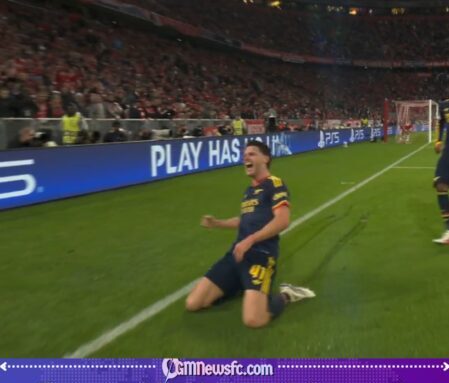
The Arsenal hierarchy used that unusual football shutdown period to restructure several aspects of the club behind the scenes. Senior players departed, recruitment priorities shifted toward younger profiles, and Arsenal slowly assembled the energetic core now driving their title ambitions. Players such as Martin Ødegaard, Declan Rice, Bukayo Saka, and William Saliba became central to a side that suddenly looked organized instead of emotionally unstable every time opponents crossed the halfway line. Arteta’s tactical emphasis on pressing structure, possession control, and defensive balance eventually transformed Arsenal from social media punchline into serious contenders. Rival supporters who once celebrated every Arsenal collapse are now forced to discuss “patterns of play” instead of recycling old banter compilations.
Covid Era Became Arsenal’s Unexpected Tactical Timeout
The broader football context also supports Kroenke’s argument to some extent. Across Europe, the Covid Era created unusual levels of patience at several clubs due to financial uncertainty and limited supporter presence inside stadiums. Managers who might normally have been removed after poor form received additional time because football itself had entered survival mode. Arsenal’s ownership appears to believe that reduced crowd pressure and the absence of constant matchday hostility allowed Arteta to implement difficult cultural changes more effectively. In a fully packed stadium environment, some of Arsenal’s performances during that rebuilding phase may have triggered louder protests and accelerated demands for managerial change.
Additional reports surrounding Arsenal’s modern structure also suggest that the club learned from previous recruitment failures that left expensive players underperforming while rivals accelerated ahead. The current Arsenal project places greater emphasis on younger talent, physical intensity, and tactical flexibility. Arteta’s close involvement in transfers reportedly became increasingly influential as the squad evolved. While critics still question whether Arsenal can consistently convert progress into major trophies, few can deny the club now operates with significantly more clarity than during the chaotic post-Wenger transition years. Even opposing managers increasingly acknowledge Arsenal’s organization, pressing intensity, and defensive discipline — developments that once felt about as realistic as Arsenal defending set pieces without collective panic.
The irony surrounding the Covid Era remains difficult to ignore. A period that disrupted world football also created the environment Arsenal needed to quietly reset their identity under Arteta. What initially looked like a risky experiment backed by stubborn ownership has gradually become one of the Premier League’s more stable long-term projects. Arsenal supporters may still argue passionately over transfers, substitutions, and title races, because tradition must always be respected, but Kroenke’s comments suggest the club believes patience during football’s strangest chapter became the turning point that changed everything. OGM News FC will continue monitoring whether this revival ultimately delivers the major trophies Arsenal supporters believe are now overdue.