
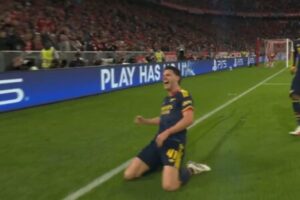
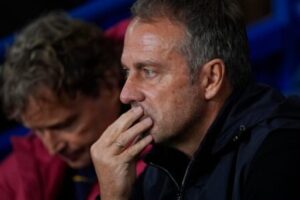
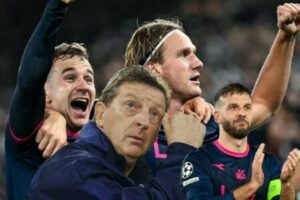
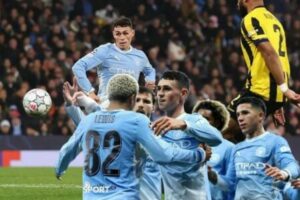
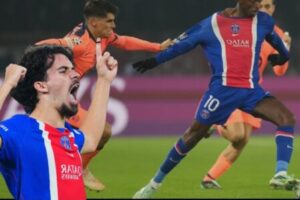
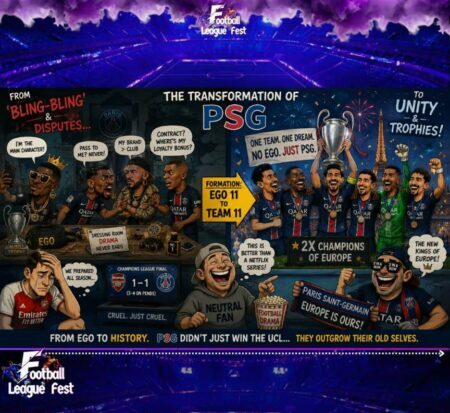
Transformation has become the defining word of PSG’s remarkable rise, and nowhere was that more evident than in their successful defence of the Champions League title. For years, Paris Saint-Germain were football’s most glamorous soap opera, featuring superstar arrivals, dressing-room disagreements and enough off-field drama to fill an entire television network. Yet as confetti rained down following another European triumph, a fascinating question echoed around football: did PSG become champions only after they stopped acting like celebrities and started acting like a team?
Unity Succeeds Where Superstar Politics Failed
The most striking aspect of PSG’s recent success is the Unity visible throughout the squad. Under Luis Enrique, the club has shifted away from the model that once prioritized assembling football’s most marketable names. Previous PSG projects often revolved around individual stardom, with enormous pressure placed on a handful of elite players expected to deliver European glory almost single-handedly. The results were often spectacular on paper but frustrating on the pitch.
This current version of PSG looks very different. The squad that retained the Champions League is built around collective effort, tactical discipline and positional flexibility. Players press together, defend together and attack together. It sounds simple, but for a club once accused of functioning like a luxury showroom for football celebrities, simplicity may have become its most valuable asset. The latest Champions League success against Arsenal further demonstrated that PSG now trust systems as much as talent.
PSG’s Transformation Exposes the Flaws of the Galactico Experiment
The broader Transformation did not happen overnight. PSG spent more than a decade investing heavily in world-class talent while chasing their first Champions League title. Despite featuring some of football’s most recognizable stars during various eras, the club repeatedly fell short in Europe. Critics argued that individual brilliance often overshadowed collective responsibility, creating squads filled with talent but lacking balance when pressure peaked.
Recent seasons suggest those lessons were finally absorbed. Additional analysis from across European football points to Luis Enrique’s influence in reshaping the club’s culture. Recruitment has focused more on hunger, athleticism and tactical suitability rather than global celebrity appeal. Younger players have embraced responsibility, while experienced figures have accepted roles within a structured system. The result is a PSG side that appears less glamorous than some of its predecessors but considerably more effective. Ironically, the club’s greatest achievement may be proving that teamwork still matters in an era obsessed with individual branding.
There is also an element of footballing irony that rivals have struggled to ignore. PSG spent years trying to purchase certainty through superstar power, only to discover that chemistry, patience and cohesion were the missing ingredients. The club that once inspired endless jokes about ego clashes and dressing-room politics is now being praised as one of Europe’s best examples of squad harmony. Somewhere, a collection of former critics may be quietly deleting old social media posts.
As PSG continue building their modern dynasty, their Transformation offers an important lesson for football’s wealthiest clubs. Money can buy talent, fame can generate attention and stars can sell shirts, but Unity remains the currency that wins the biggest trophies. At OGM News FC, the next chapter will focus on whether PSG can extend this remarkable era and cement themselves among the greatest teams European football has ever seen—or whether success will eventually invite the very distractions they worked so hard to escape.